
5 Winter Tire Prep Tips for Maine Drivers

Samantha Boylls • November 16, 2026

Winter tire preparation helps southern Maine drivers stay safer when temperatures fall and snow begins. Cold air lowers tire pressure, while adequate tread helps tires move through snow and slush. Check pressure and wear at home, then decide whether winter tires or all-season tires fit your vehicle, driving habits, and local roads.

Why does cold weather lower tire pressure?

Air contracts as temperatures drop. That means the pressure inside a tire can decrease overnight when a warm fall day turns into a freezing morning. A tire that looked properly inflated in October may need attention before the first storm.

Lower pressure can affect:

  • Steering response
  • Braking performance
  • Fuel economy
  • Tire wear
  • Contact with the road

Use the pressure listed on your vehicle’s driver-side doorjamb or in the owner’s manual—not the maximum pressure printed on the tire sidewall. Check all four tires and the spare when the tires are cold, ideally before driving or after the vehicle has been parked for several hours.

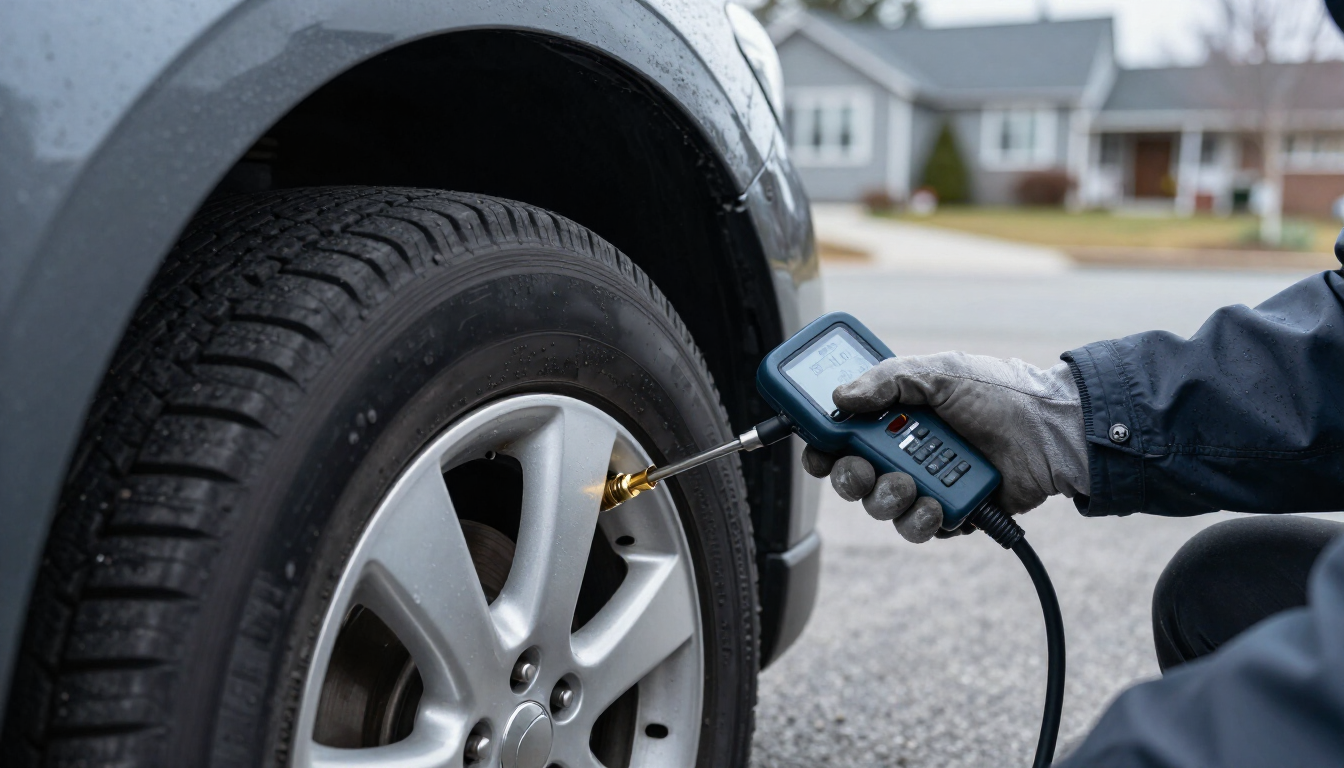
A reliable gauge is useful for a quick driveway check. Remove the valve cap, press the gauge firmly onto the valve stem, and compare the reading with the vehicle recommendation. Add air if needed, replace the cap, and recheck the reading. If one tire repeatedly loses pressure, it may have a puncture, damaged valve, or bead leak that deserves professional inspection.

Pressure should also be checked after major temperature swings. A sudden cold snap can change readings quickly, and a dashboard tire-pressure warning should not be ignored. The warning system is helpful, but it does not replace a physical check of pressure or tire condition.

Winter tire preparation for Maine drivers with a pressure gauge beside a vehicle

How can you check tire tread before snow?

Tread gives a tire edges that help it grip wet pavement and move water, slush, and loose snow away from the contact patch. As tread wears down, traction can become less predictable, especially during braking or cornering.

Start with a visual inspection. Look across the full width of each tire, not just the outer shoulder. Check for:

  • Uneven wear from one side to the other
  • Cracks, bulges, cuts, or exposed cords
  • Objects lodged in the tread
  • Areas that appear noticeably smoother than others
  • Different wear patterns between tires

Then locate the built-in tread-wear indicators. These raised bars sit in the grooves at several points around the tire. When the surrounding tread is close to the same height as those bars, the tire is worn and should be evaluated for replacement. Do not rely on a single spot; inspect several grooves and rotate the tire if necessary to view the back side.

Uneven wear can point to alignment, suspension, inflation, or rotation issues. If the center is wearing faster than the edges, the tire may have spent too much time overinflated. If both shoulders wear faster, underinflation may be involved. Wear on one edge can signal an alignment or suspension concern.

A quick home inspection cannot identify every safety issue. Have a technician look at tires that vibrate, pull, lose air, show sidewall damage, or have irregular wear. Northeast Transmission also provides tire services for drivers who want a professional seasonal check.

A simple driveway checklist

  1. Park on a level surface and set the parking brake.
  2. Check pressure while the tires are cold.
  3. Inspect each tire’s tread and sidewall.
  4. Look for tread-wear indicators in multiple grooves.
  5. Schedule an inspection if anything looks damaged, uneven, or worn.

Winter tires vs. all-season tires: what is the difference?

Winter tires use rubber compounds and tread designs made to remain more flexible in cold conditions. Their grooves and biting edges are designed to improve traction on snow, packed snow, and icy or wet winter roads. They can be a strong choice for drivers who regularly travel before roads are cleared, live on hills, or need consistent cold-weather performance.

All-season tires are designed to handle a broad range of conditions. They may be practical for drivers who see occasional snow, use their vehicle mainly on treated roads, and can avoid travel during the worst storms. However, “all-season” does not mean ideal for every season or every winter condition. Their cold-weather grip may not match a dedicated winter tire when temperatures remain low.

The tradeoffs include:

  • Winter tires: stronger cold-weather and snow performance, but require seasonal storage and changing.
  • All-season tires: convenient year-round use, but may offer less grip in severe winter conditions.
  • Winter setup: can improve confidence in snow, but all four tires should be part of a properly matched setup.
  • Vehicle fit: drivetrain, clearance, driving route, and manufacturer guidance all matter.

Do not choose based only on whether your vehicle has front-wheel drive, all-wheel drive, or four-wheel drive. Those systems can help a vehicle move, but they do not create tire grip when braking or turning. The tires remain the vehicle’s connection to the road.

Which option fits your Maine driving routine?

Consider these questions:

  • Do you commute before plows and sanding crews reach the road?
  • Do you regularly drive rural roads, steep hills, or coastal routes?
  • Can you stay home when conditions become hazardous?
  • Does your vehicle have enough space and compatible wheels for a seasonal setup?
  • Are your current all-season tires already worn or unevenly damaged?

A tire professional can compare your current condition with your driving needs without steering you toward a particular brand. Ask about the vehicle manufacturer’s recommendations, proper fitment, storage, and seasonal changeover timing.

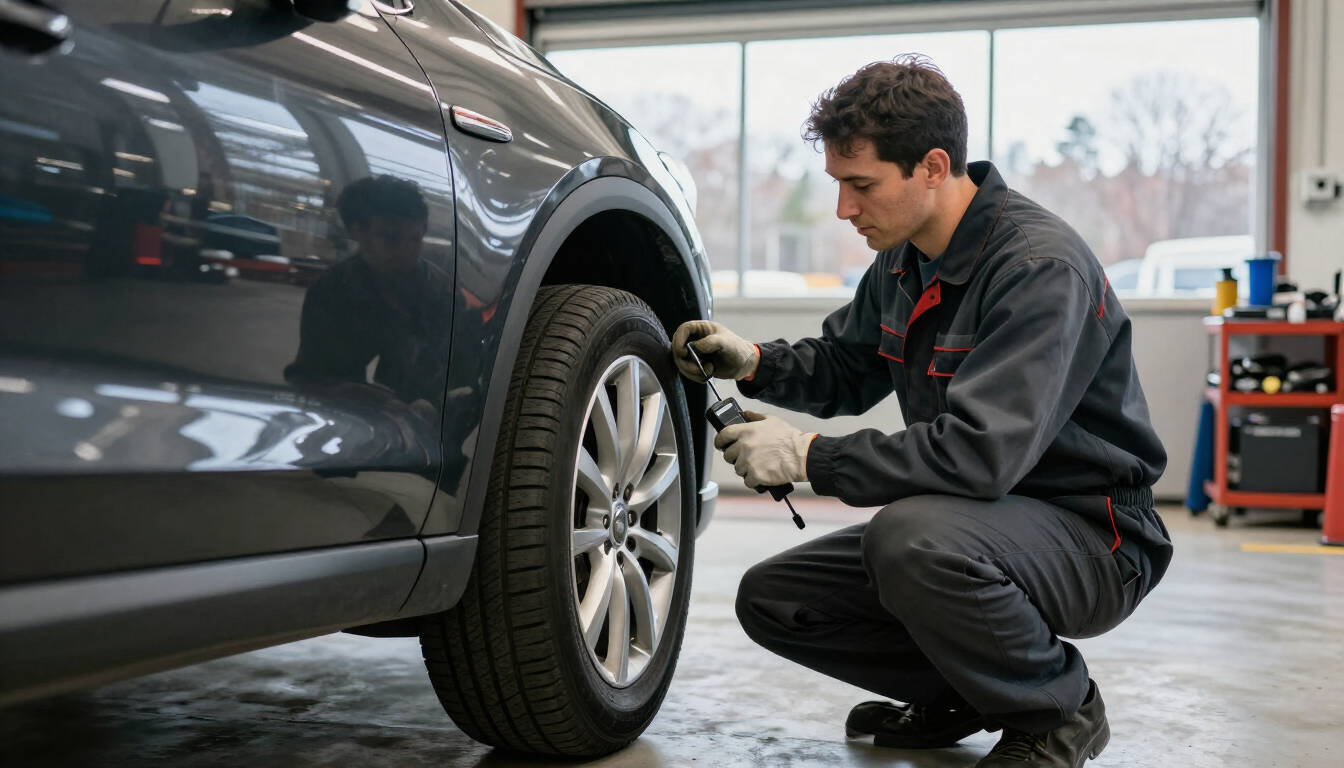
Vehicle ready for a winter tire inspection on a southern Maine service bay

When should you schedule a seasonal tire check?

Schedule a check before the first major storm, not after the first icy commute. Fall appointments can become limited once temperatures drop and forecasts begin showing snow. An early inspection gives you time to address low pressure, uneven wear, damaged tires, wheel concerns, or a seasonal swap.

Bring up any changes you noticed during summer driving. A vibration at highway speed, a vehicle that pulls, or repeated pressure loss may affect more than the tires. Related concerns can involve steering, suspension services , alignment, or braking components. Addressing them early can help your winter tires wear more evenly and make the vehicle easier to control.

Northeast Transmission is a family-owned Biddeford shop with more than 50 years of hands-on experience. Along with general auto repair and transmission work, the shop offers tire services for local drivers preparing for changing road conditions. You can also explore the full range of services if your winter inspection reveals another maintenance need.

What should you do before the first big storm?

Use this short winter tire preparation plan:

  1. Check cold tire pressure on all four tires and the spare.
  2. Inspect tread, sidewalls, and wear indicators.
  3. Look for uneven wear, damage, vibration, or repeated air loss.
  4. Decide whether your driving routine calls for winter tires or all-seasons.
  5. Schedule a professional tire check or seasonal swap before demand rises.

If you are unsure what your tires are telling you, do not wait for snow to find out. Call Northeast Transmission or use Book Now to schedule a tire check or seasonal swap before the first big storm.

Key takeaways

Winter tire preparation is mainly about confirming that your tires are properly inflated, have usable and even tread, and match the conditions you expect to drive in. Cold weather can lower pressure, while worn tread can reduce traction in snow and slush. Winter tires may be the better fit for frequent severe-weather driving; all-seasons may suit drivers with milder routines and flexibility. Check your vehicle before the forecast changes, then schedule a professional inspection or seasonal swap when needed.

Share this post

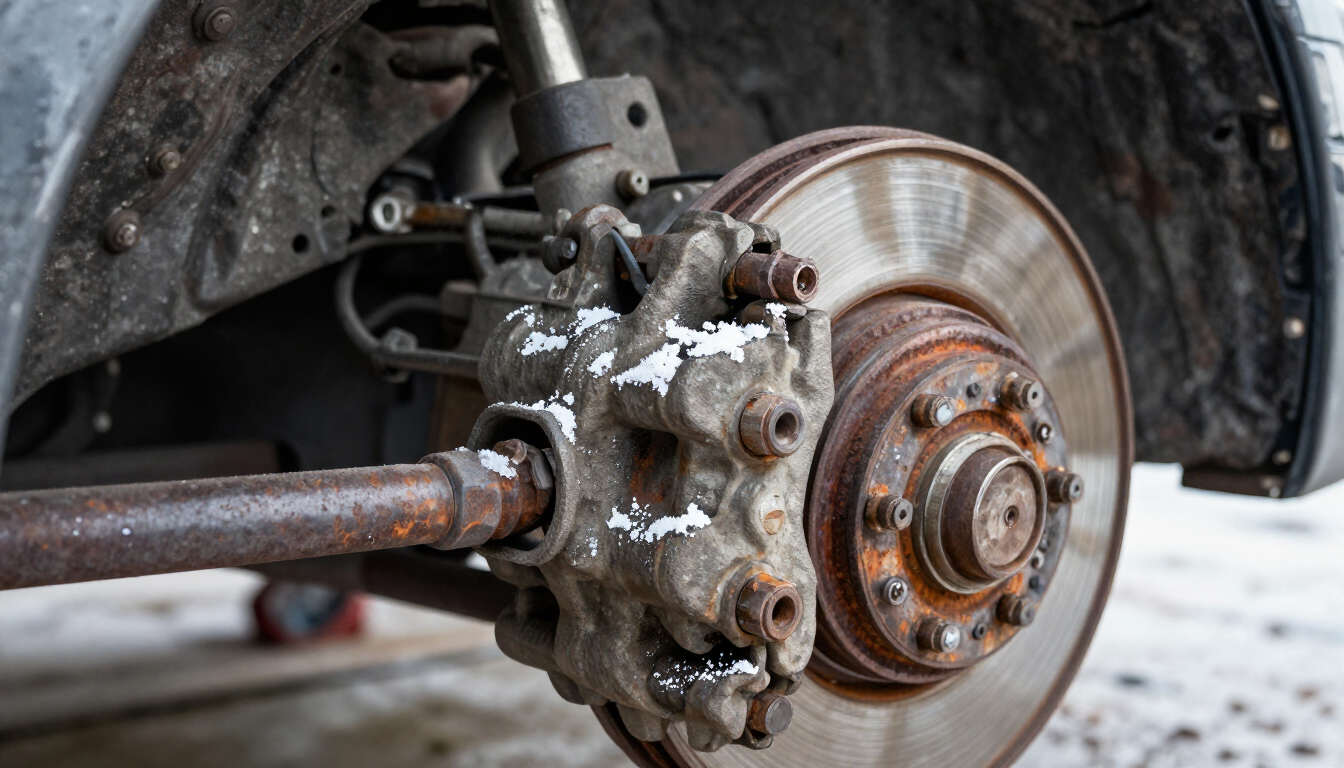
Brake repair inspection of a road-salt-corroded brake line and caliper
By Samantha Boylls • November 9, 2026
Learn how road salt and winter moisture damage brake lines, calipers, and hardware—and the warning signs that mean your Maine vehicle needs brake repair now.
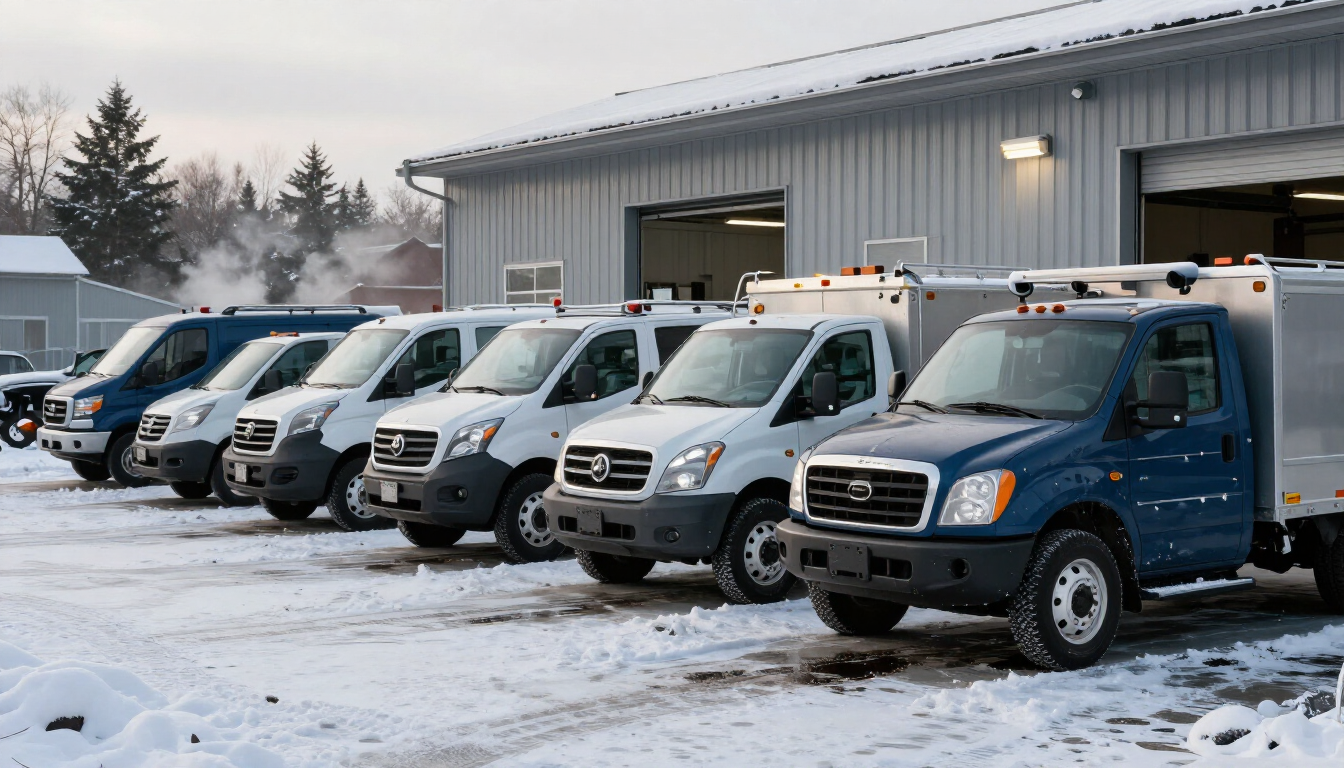
Fleet transmission service for winter work trucks
By Samantha Boylls • November 2, 2026
Prepare southern Maine work trucks for plowing and winter workloads. Learn early transmission warning signs and protect fleet uptime with scheduled service.
Winter car checks for battery, charging system, heat, and defroster
By Samantha Boylls • October 26, 2026
Get winter car checks in Biddeford, from battery and charging tests to heat and defroster inspections. Book Northeast Transmission online or call today.
Cold weather automatic transmission issues in Maine
By Samantha Boylls • October 19, 2026
Learn how cold Maine mornings can affect automatic transmissions, which shifting changes deserve attention, and when to call a transmission shop.
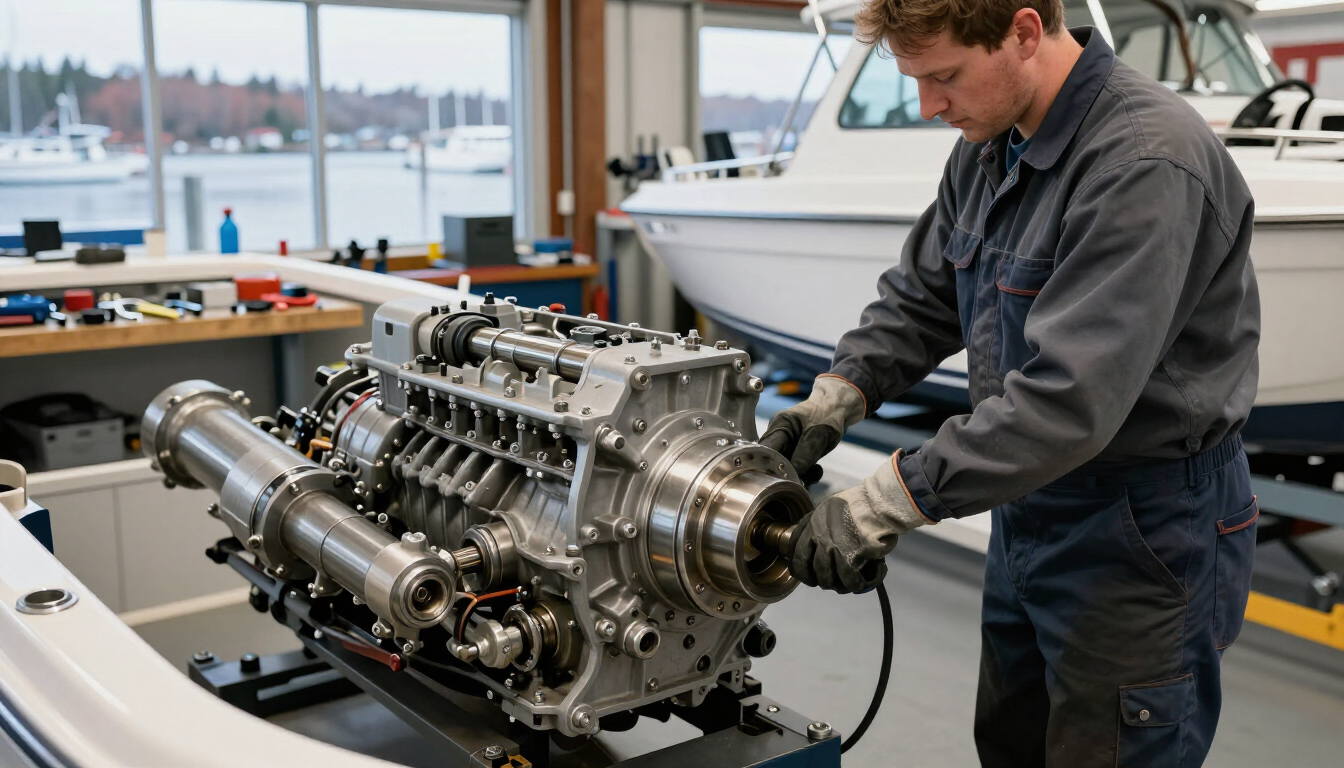
Marine transmission winter storage inspection for a boat driveline
By Samantha Boylls • October 12, 2026
Learn why marine transmission winter storage matters and what a shop inspection checks before moisture, salt air, and months of sitting create spring launch problems.
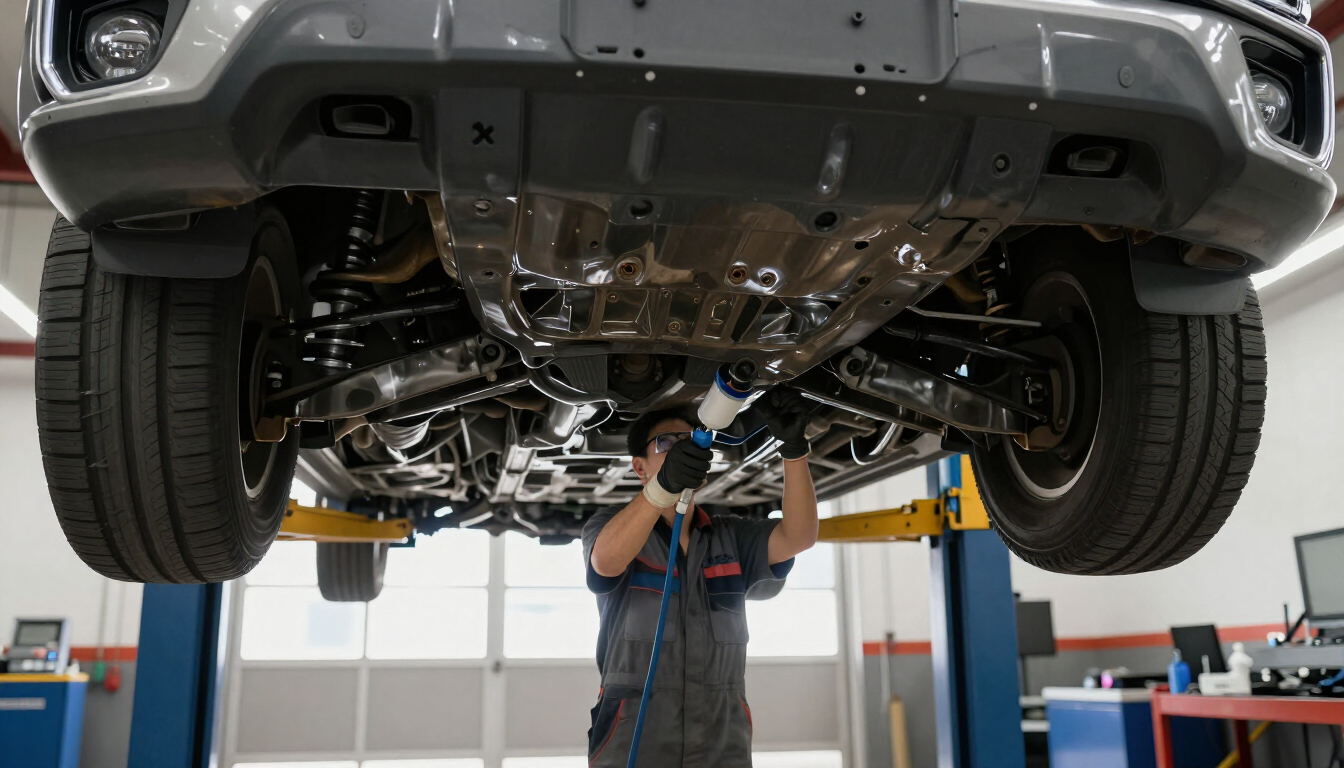
Fluid Film undercoating protects a vehicle undercarriage from Maine road salt
By Samantha Boylls • October 5, 2026
Learn why Maine road salt damages vehicle undercarriages and how Fluid Film undercoating helps protect exposed metal before the first storm.
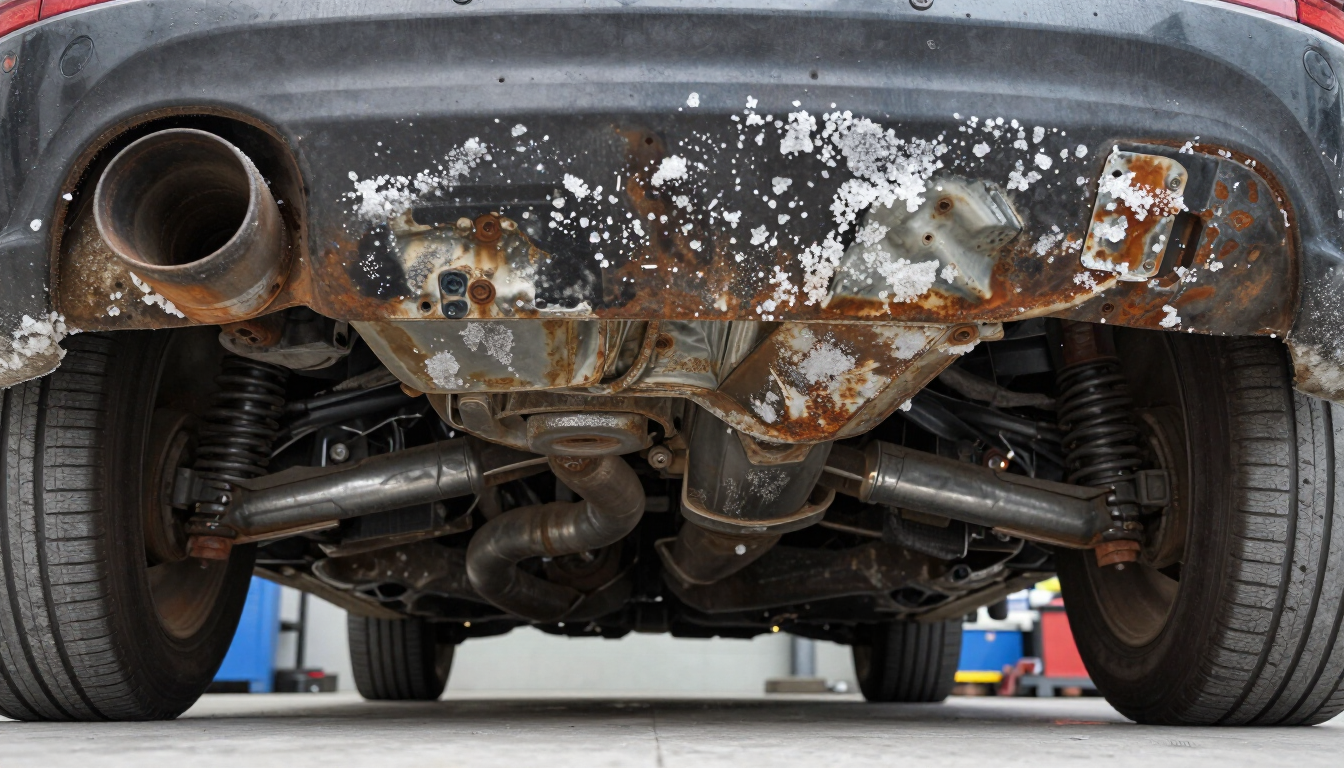
A vehicle undercarriage showing the effects of road salt and corrosion in Maine.
September 28, 2026
Protect your vehicle from Maine's winter salt and brine. Learn why fall is the critical window for undercarriage corrosion prevention and how Fluid Film can help.
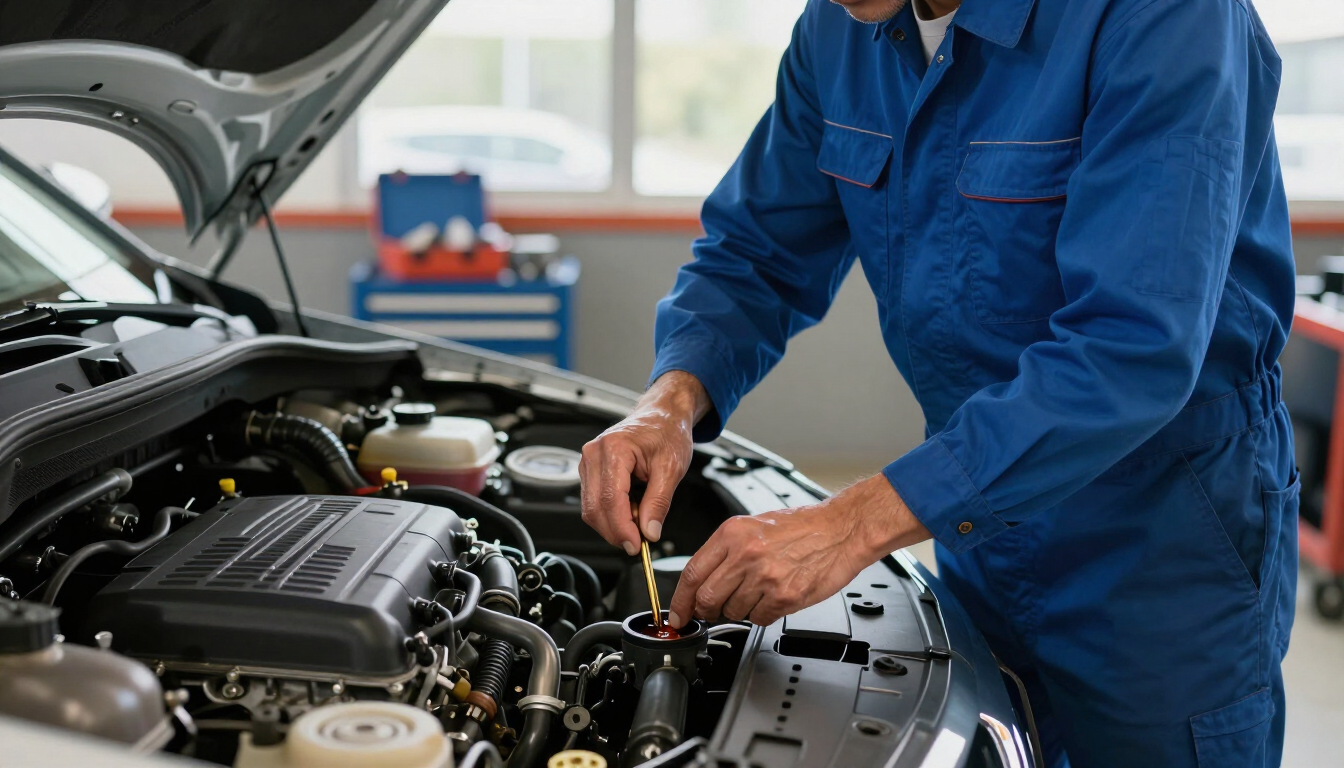
Mechanic checking transmission fluid levels in a modern auto shop.
September 21, 2026
Learn why checking transmission fluid at every maintenance is vital and when it's time for a change to protect your vehicle's engine and lifespan.
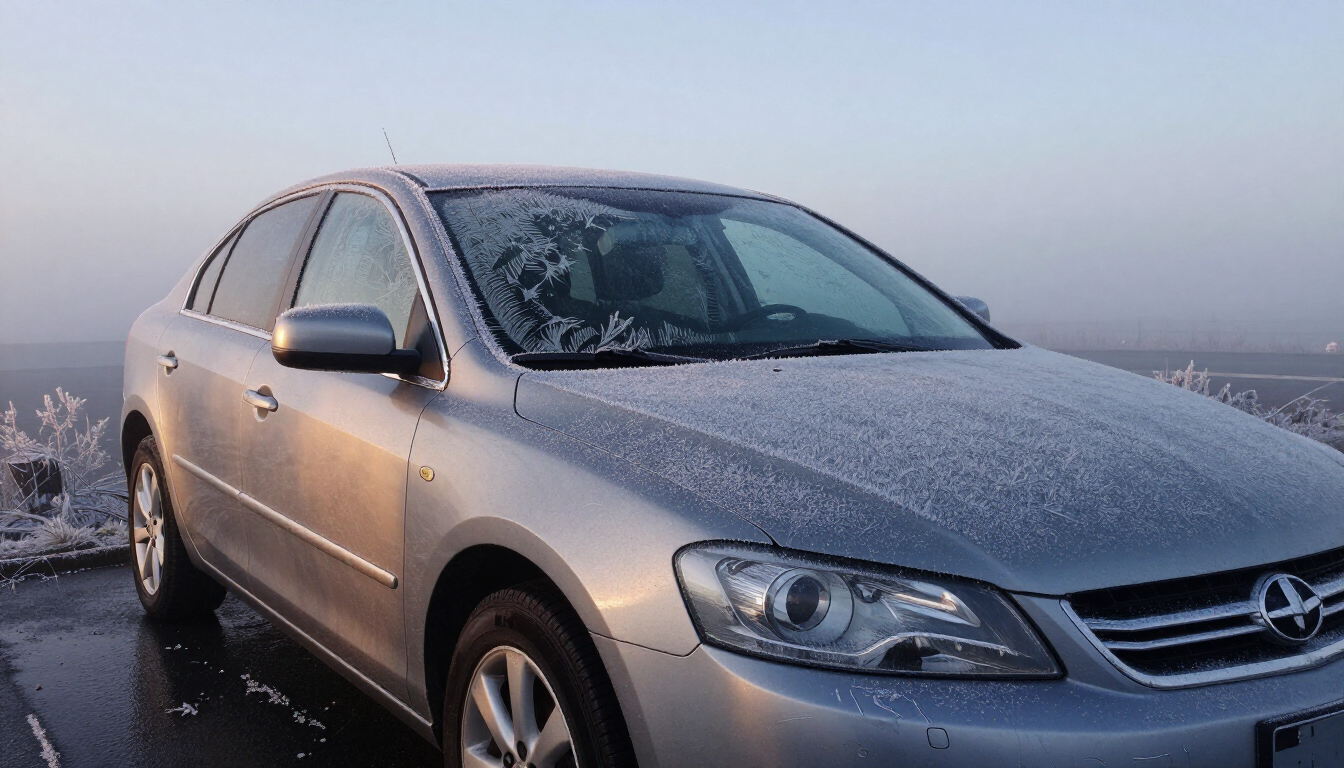
Frosty car in winter morning illustrating cold start issues
September 14, 2026
Discover why cold weather affects automatic transmission shifting and learn to distinguish between normal cold starts and serious mechanical symptoms.
Winter fleet maintenance inspection in Biddeford ME
September 3, 2026
Keep your fleet running this winter with Northeast Transmission’s fall walkthrough guide. Serving Biddeford, Portland, and Portsmouth since 1974.

Show More