
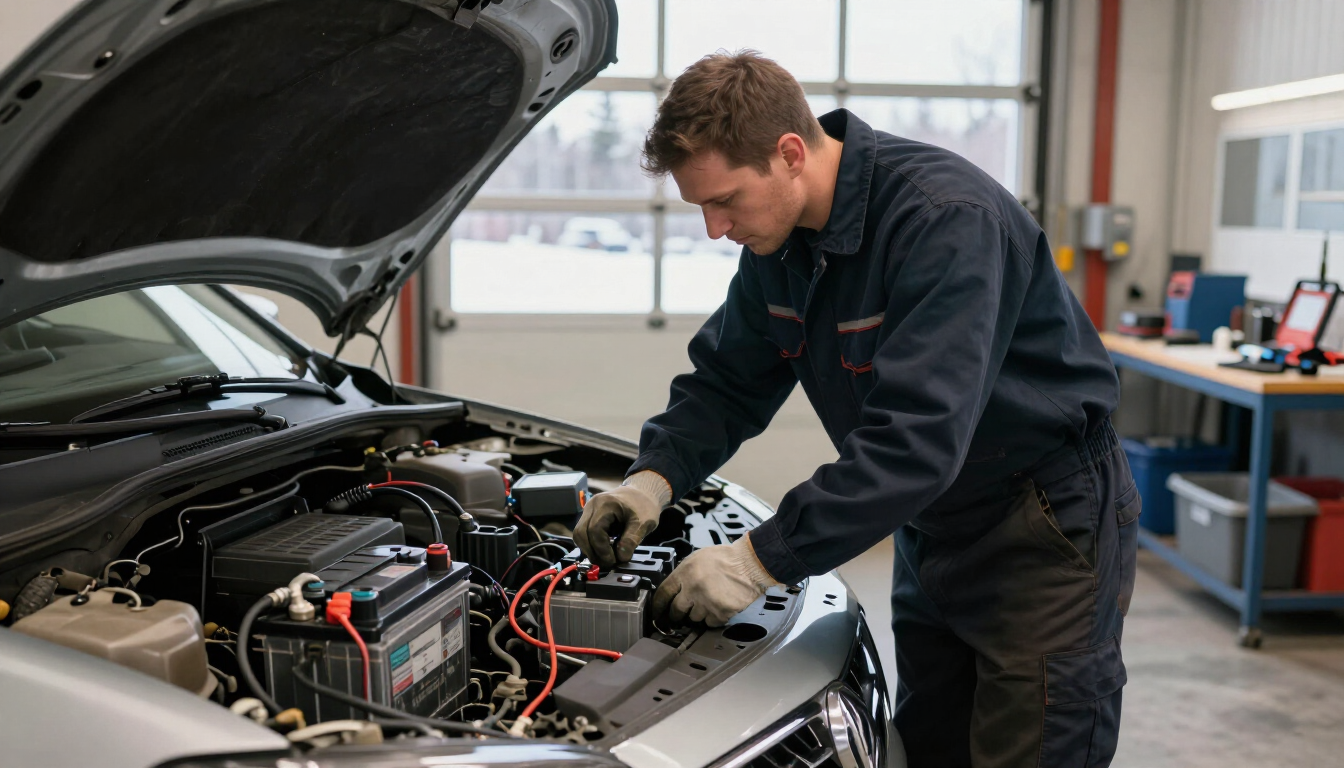
5 Fleet Transmission Tips for Winter Work

Samantha Boylls • November 2, 2026

Fleet transmission service helps work-truck managers identify drivetrain strain before it becomes a roadside breakdown. Heavy loads, plowing, cold starts, and stop-and-go driving can increase stress on transmissions, differentials, axles, and related components. Scheduled inspections give your shop time to find developing problems and protect fleet uptime during winter’s busiest work.

Fleet transmission service for winter work trucks

Why does winter work stress truck transmissions?

Winter service is demanding because several sources of strain can happen at once. A work truck may leave a heated yard, face freezing temperatures, carry a heavy load, and immediately begin repeated acceleration and braking. Plowing adds another layer of resistance and traction-related stress.

Common contributors include:

  • Heavy payloads, trailers, tools, or salt and sand
  • Repeated starts and stops in traffic or job sites
  • Long periods of low-speed operation
  • Sudden changes in traction on snow and ice
  • Cold conditions that make components work harder during initial operation

The transmission does not work alone. The drivetrain transfers power through connected components, so a problem that feels like a shift issue may involve another part of the system. Northeast Transmission can evaluate the broader concern through fleet services , transmission services , or drivetrain services .

What changes should a fleet manager report early?

Drivers often notice changes before a dashboard warning appears. Treat those observations as useful maintenance information, not as something to monitor indefinitely.

Report changes such as:

  • Delayed engagement when shifting into drive or reverse
  • Harsh, rough, or unusually slow gear changes
  • Slipping, flare-ups in engine speed, or loss of expected acceleration
  • Shuddering, clunking, whining, or other new drivetrain noises
  • A vehicle that struggles to move, changes gears unexpectedly, or behaves differently under load

A single unusual event may have a simple explanation, but repeated or worsening behavior deserves prompt attention. Ask drivers to record when the symptom occurs, whether the truck was loaded, and whether it happened during plowing, backing, climbing, or stop-and-go work. That context can help the shop diagnose the vehicle efficiently.

How do plowing and heavy loads affect drivetrains?

Plowing places unusual demands on a truck because the vehicle is pushing resistance while operating at low speed. The drivetrain may repeatedly transfer power as traction changes, the blade meets packed snow, or the operator changes direction. Heavy loads and towing can create similar stress by increasing the effort required to get moving and maintain speed.

That does not mean every plow truck will develop a transmission problem. It does mean seasonal workload should be part of the service conversation. A truck that performs adequately on ordinary routes may respond differently when it spends long shifts pushing, pulling, backing, and maneuvering under load.

The same principle applies to fleet vehicles that support winter operations without carrying a plow. Delivery trucks, utility vehicles, construction trucks, and service vans can all experience extra drivetrain demand during cold-weather work.

Photorealistic fleet technician inspecting a commercial truck drivetrain

A practical winter fleet service plan

Scheduled service is an uptime decision. It gives your repair shop a chance to review vehicles before peak demand, prioritize concerns, and coordinate repairs around your operating schedule.

A practical plan includes:

  1. Identify the hardest-working vehicles. Start with plow trucks, loaded work trucks, tow vehicles, and units with demanding routes.
  2. Collect driver observations. Ask for specific changes in shifting, engagement, noises, vibration, or performance.
  3. Schedule a professional evaluation. Share the vehicle’s workload and any recent symptoms with the shop.
  4. Prioritize safety and reliability concerns. Do not wait for a minor change to become a no-movement condition.
  5. Coordinate downtime. Work with the shop on a service schedule that limits disruption to your team.

For related winter readiness, you can also review brake repair , suspension services , tire services , and diesel repair .

Should a truck keep working when it shows transmission symptoms?

No. If a truck is slipping, failing to engage, shifting unpredictably, making a new drivetrain noise, or struggling to move, do not keep driving it to “see how it goes.” Continued operation can increase the risk of damage, a breakdown, or an unsafe situation.

Have the vehicle taken out of service and contact a qualified repair shop. Tell the shop exactly what happened and under what conditions. Do not attempt to diagnose the issue by adding products or changing service details on your own. Check the vehicle’s manual and ask the shop what evaluation is appropriate for that specific truck.

Protect uptime before the busiest season

Fleet transmission service is most valuable before a truck becomes unavailable. Heavy loads, plowing, cold operation, and repeated stop-and-go use can expose weaknesses in transmissions and connected drivetrain components. Early reports of delayed engagement, harsh shifting, slipping, noise, or unusual performance give your shop a better opportunity to evaluate the vehicle before peak winter demand. Review your hardest-working trucks, collect driver feedback, and schedule service around your operating needs. If a vehicle is already showing symptoms, stop using it and call Northeast Transmission. For seasonal planning, Book Now or contact the shop .

Share this post

Winter car checks for battery, charging system, heat, and defroster
By Samantha Boylls • October 26, 2026
Get winter car checks in Biddeford, from battery and charging tests to heat and defroster inspections. Book Northeast Transmission online or call today.

Cold weather automatic transmission issues in Maine
By Samantha Boylls • October 19, 2026
Learn how cold Maine mornings can affect automatic transmissions, which shifting changes deserve attention, and when to call a transmission shop.
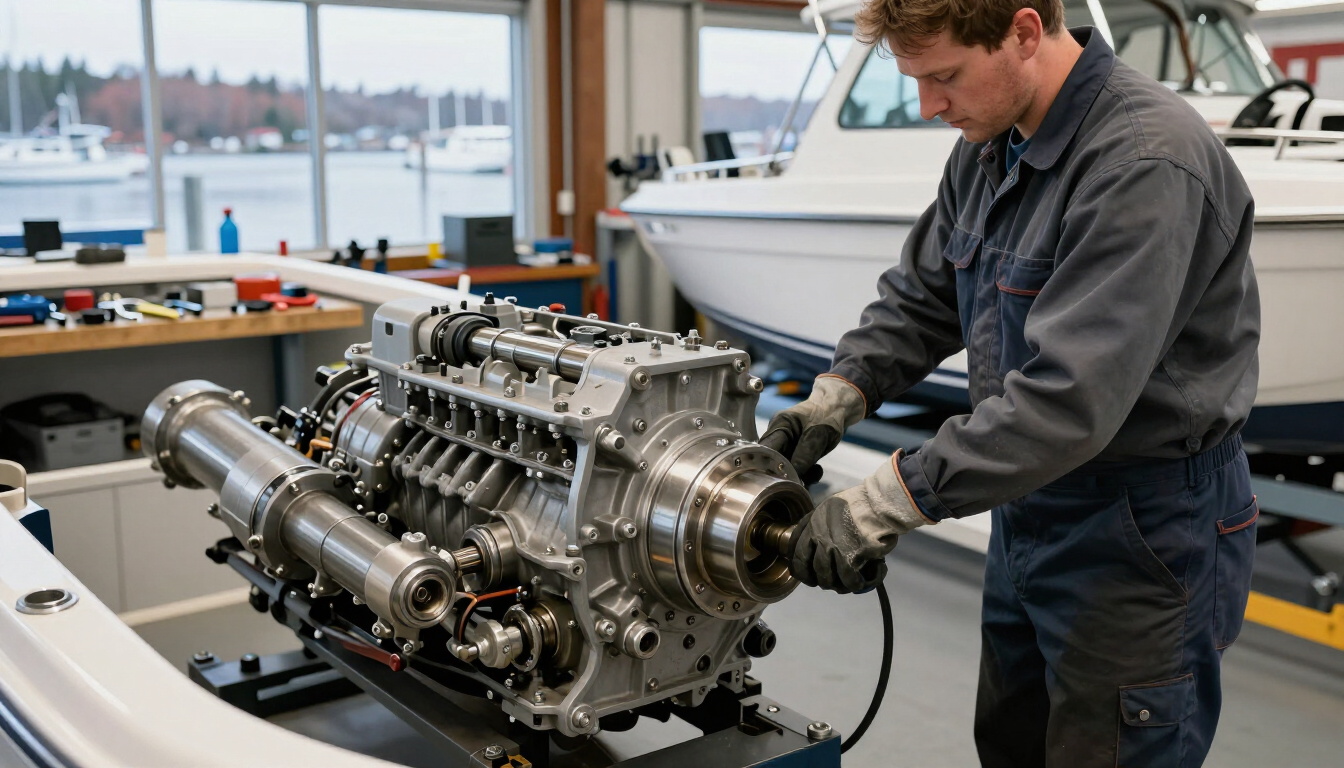
Marine transmission winter storage inspection for a boat driveline
By Samantha Boylls • October 12, 2026
Learn why marine transmission winter storage matters and what a shop inspection checks before moisture, salt air, and months of sitting create spring launch problems.
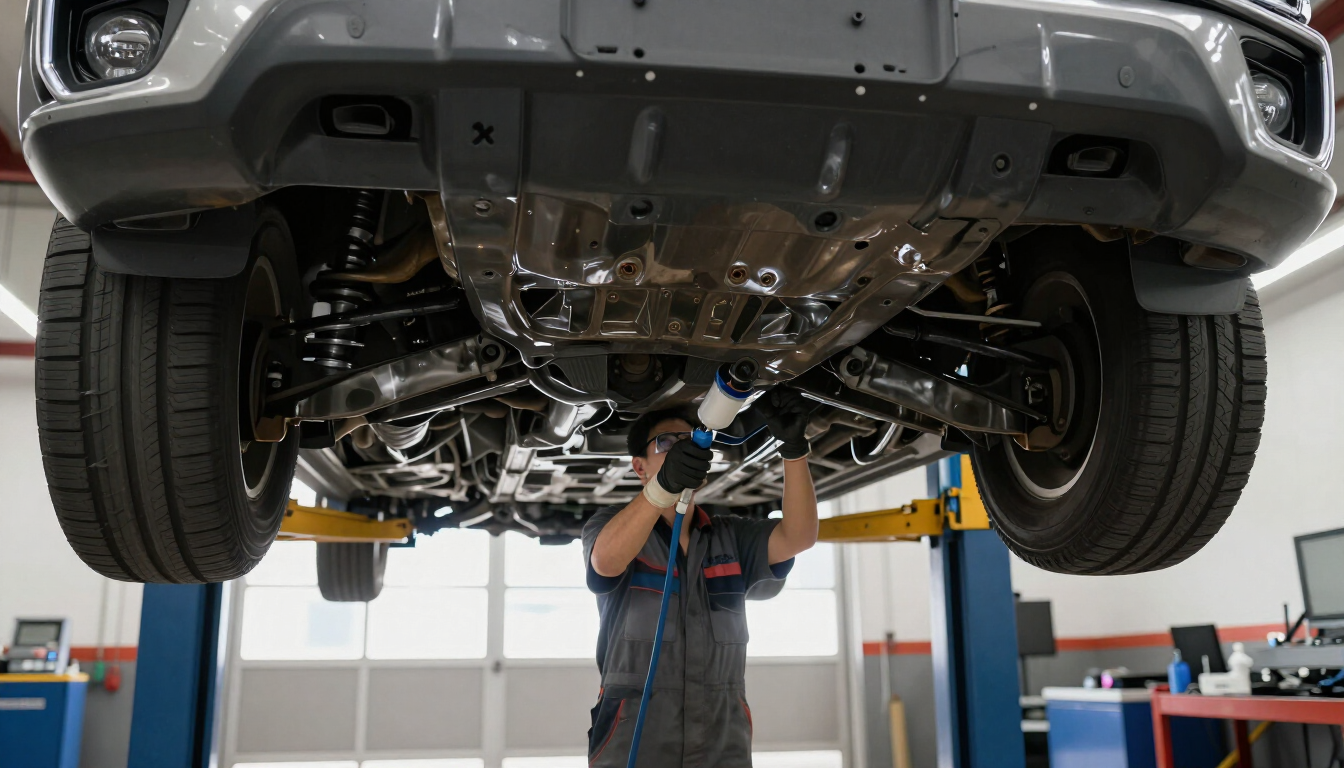
Fluid Film undercoating protects a vehicle undercarriage from Maine road salt
By Samantha Boylls • October 5, 2026
Learn why Maine road salt damages vehicle undercarriages and how Fluid Film undercoating helps protect exposed metal before the first storm.
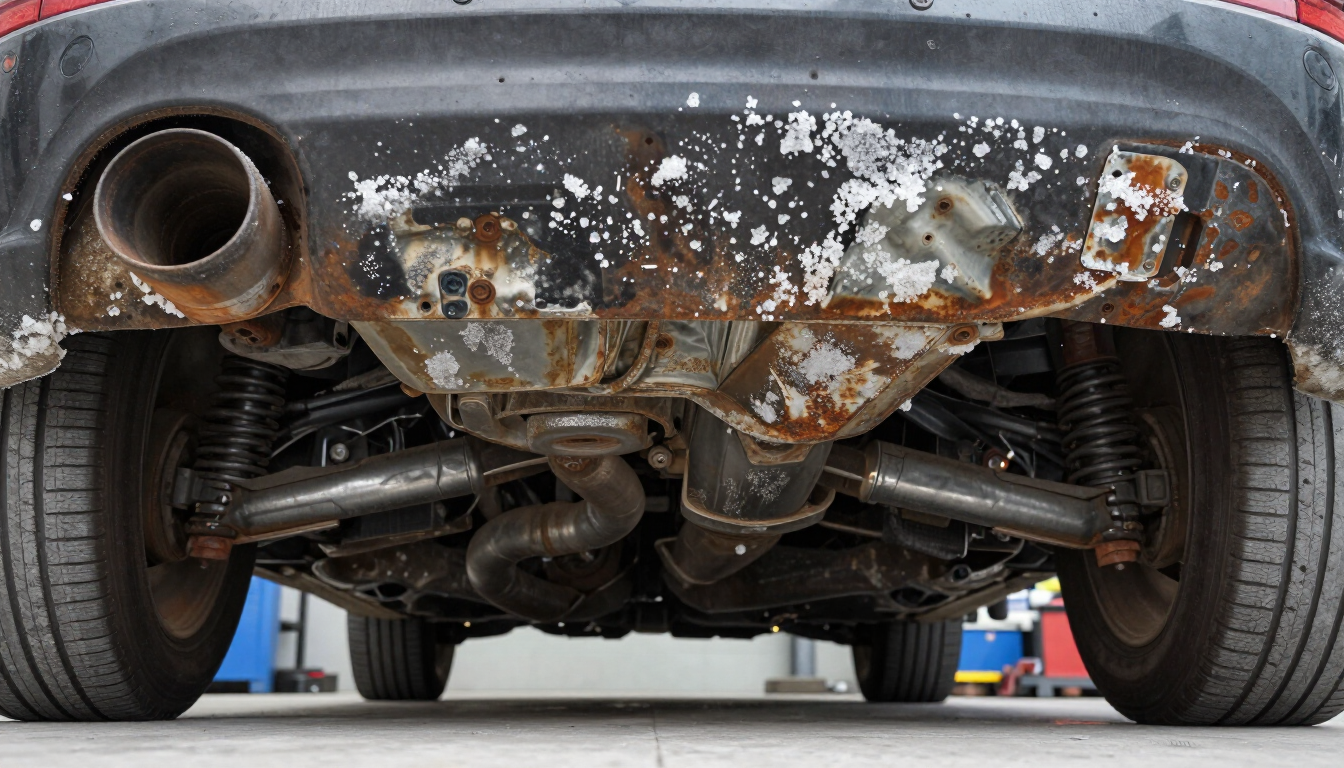
A vehicle undercarriage showing the effects of road salt and corrosion in Maine.
September 28, 2026
Protect your vehicle from Maine's winter salt and brine. Learn why fall is the critical window for undercarriage corrosion prevention and how Fluid Film can help.

Mechanic checking transmission fluid levels in a modern auto shop.
September 21, 2026
Learn why checking transmission fluid at every maintenance is vital and when it's time for a change to protect your vehicle's engine and lifespan.
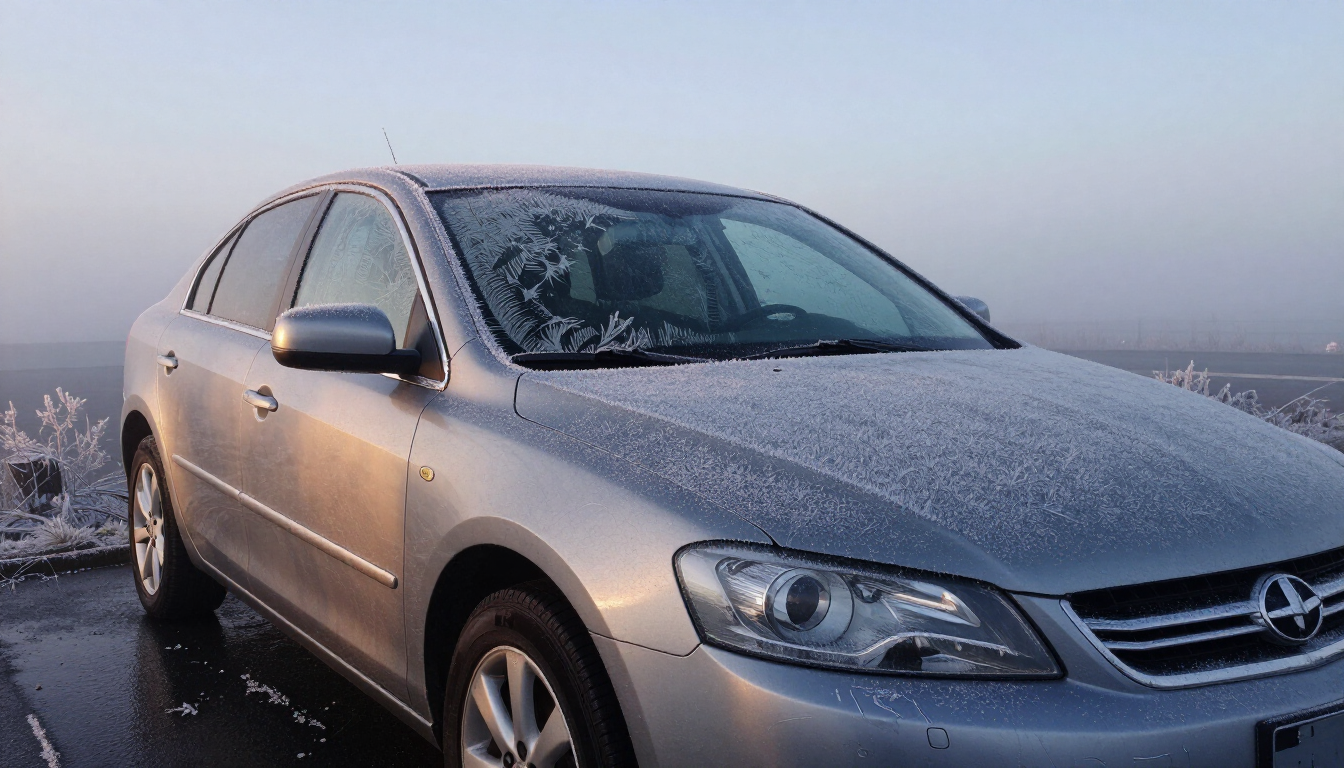
Frosty car in winter morning illustrating cold start issues
September 14, 2026
Discover why cold weather affects automatic transmission shifting and learn to distinguish between normal cold starts and serious mechanical symptoms.
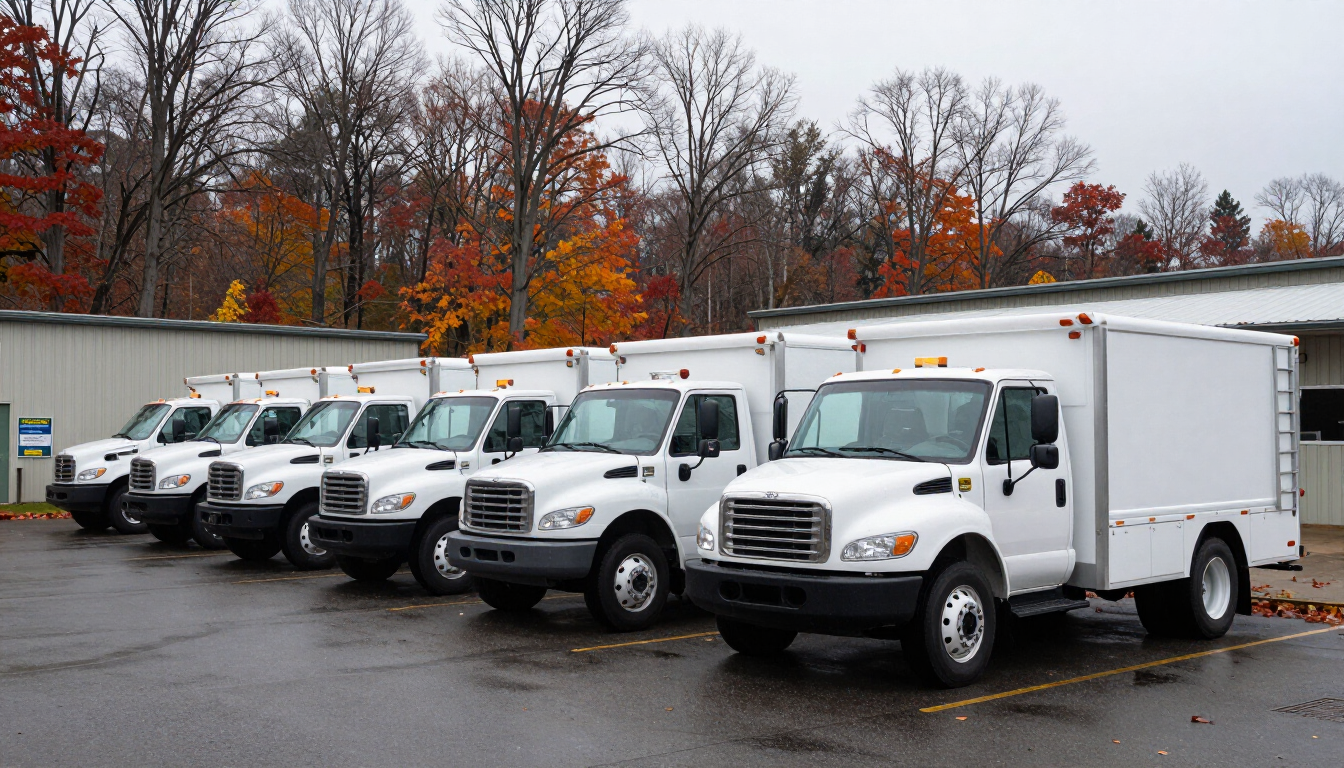
Winter fleet maintenance inspection in Biddeford ME
September 3, 2026
Keep your fleet running this winter with Northeast Transmission’s fall walkthrough guide. Serving Biddeford, Portland, and Portsmouth since 1974.
Red
By VIV Builder • July 1, 2025
Jasper Holdings, Inc., the parent company of Jasper Engines and Transmissions, Weller Truck, Diesel USA Group, D&W Diesel, Jasper Innovative Solutions, Jasper Electric Motors, and Jer-Den Plastics, is pleased to announce the acquisition of Jenkins Holdings, Inc. (“Jenkins” or “Jenkins Plumbing”). Jenkins is the leading
Man driving a large truck; hands on the wheel, looking forward, with a green landscape visible.
By VIV Builder • May 22, 2025
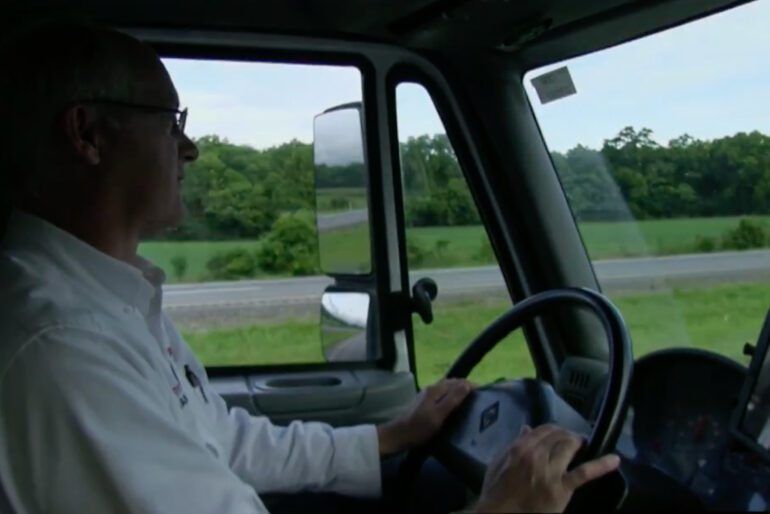
In many fleets, an invisible wall between drivers and technicians fosters tension because they don’t understand each other’s importance. Drivers want to get back on the road quickly; technicians want to fix things right the first time. When communication breaks down, minor issues get missed, and repairs are delayed, which can increase the chance of driver safety incidents. Bridging this gap is one of the fastest ways to improve uptime, safety, and morale.

Show More