
5 Signs Maine Salt Means Brake Repair Is Needed
Road salt and winter moisture can corrode brake lines, calipers, rotors, and other hardware on Maine vehicles. Brake repair may be needed when you notice a soft pedal, pulling, grinding, or a brake warning light. Because brake problems affect stopping control, have a qualified shop inspect the vehicle promptly.
Why does road salt cause brake problems in Maine?
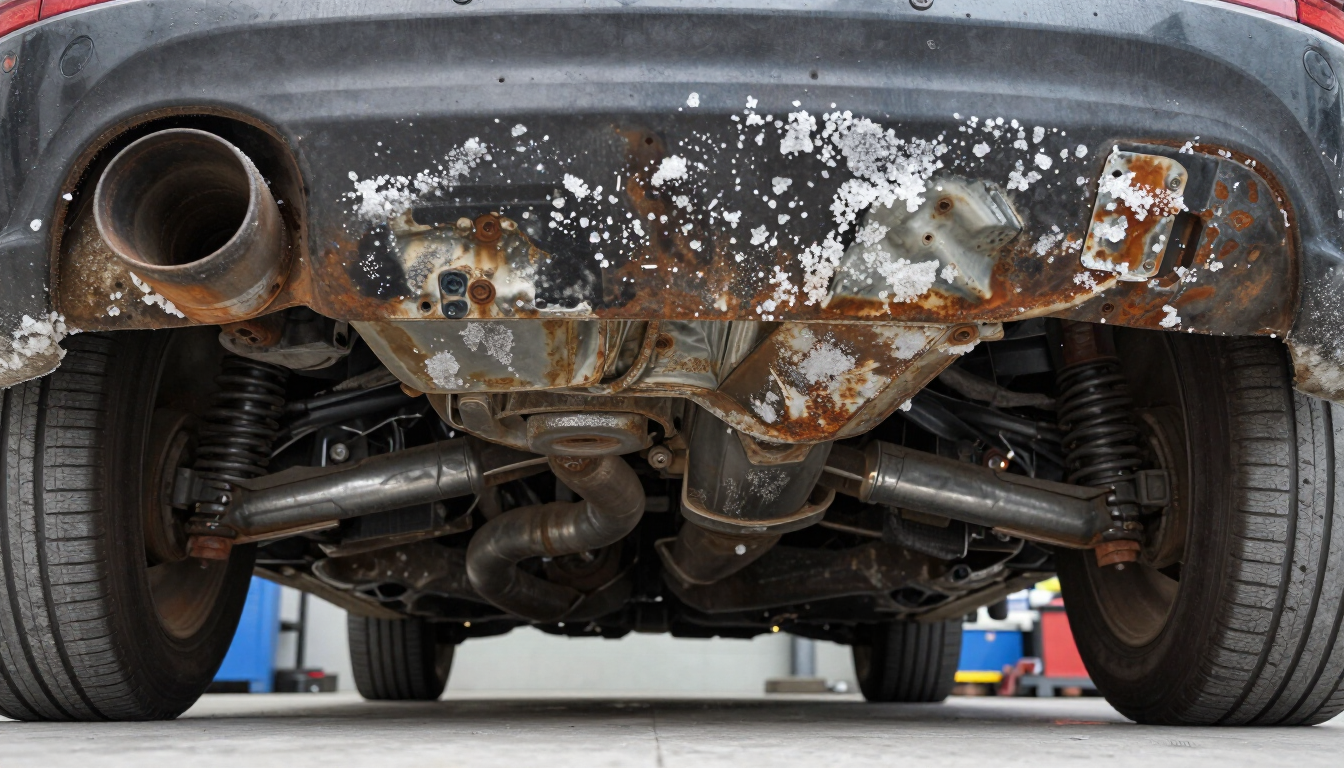
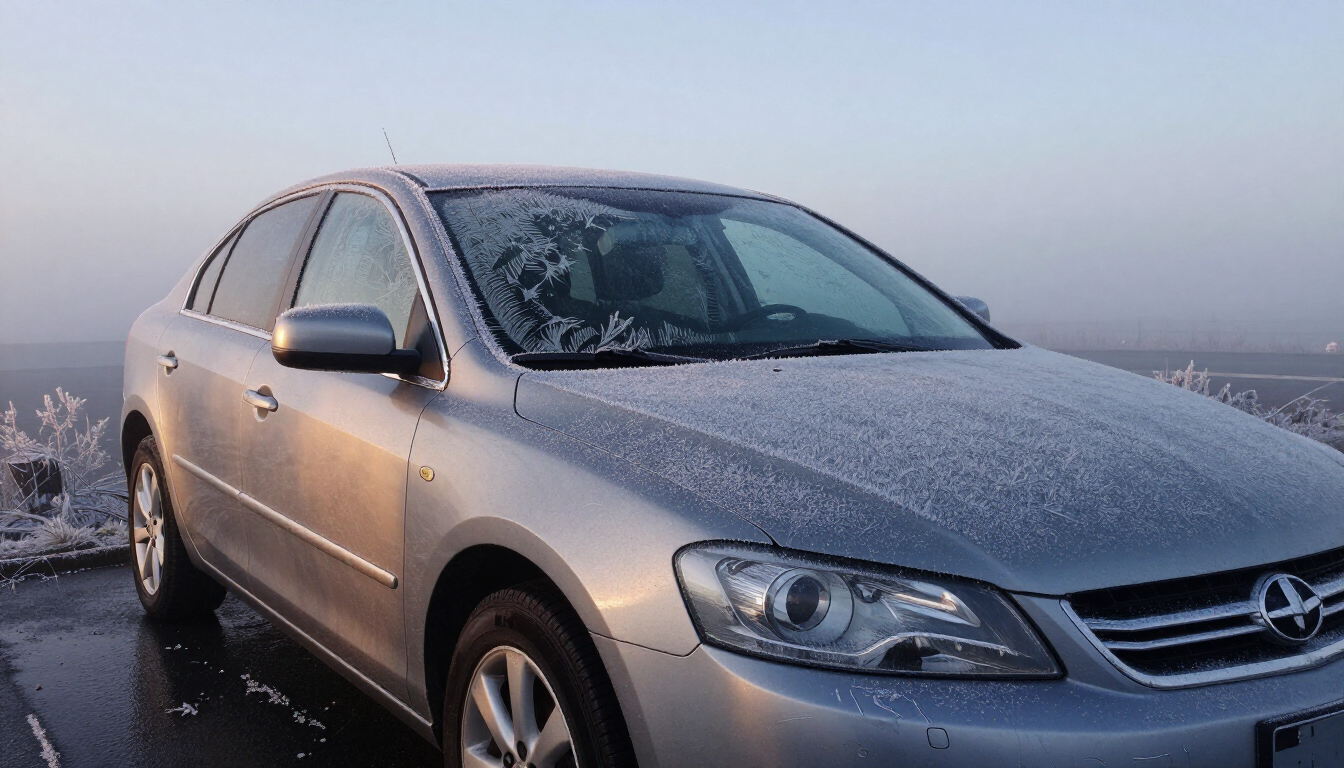
Maine roads receive heavy applications of salt and de-icing chemicals during winter. Those materials collect underneath a vehicle, where moisture and road grime can remain trapped around brake components. Repeated freeze-and-thaw cycles make the problem worse by encouraging corrosion in places that are difficult to see during a quick visual check.
Salt and moisture can affect:
- Brake lines: Corrosion can weaken the metal lines that carry hydraulic brake fluid.
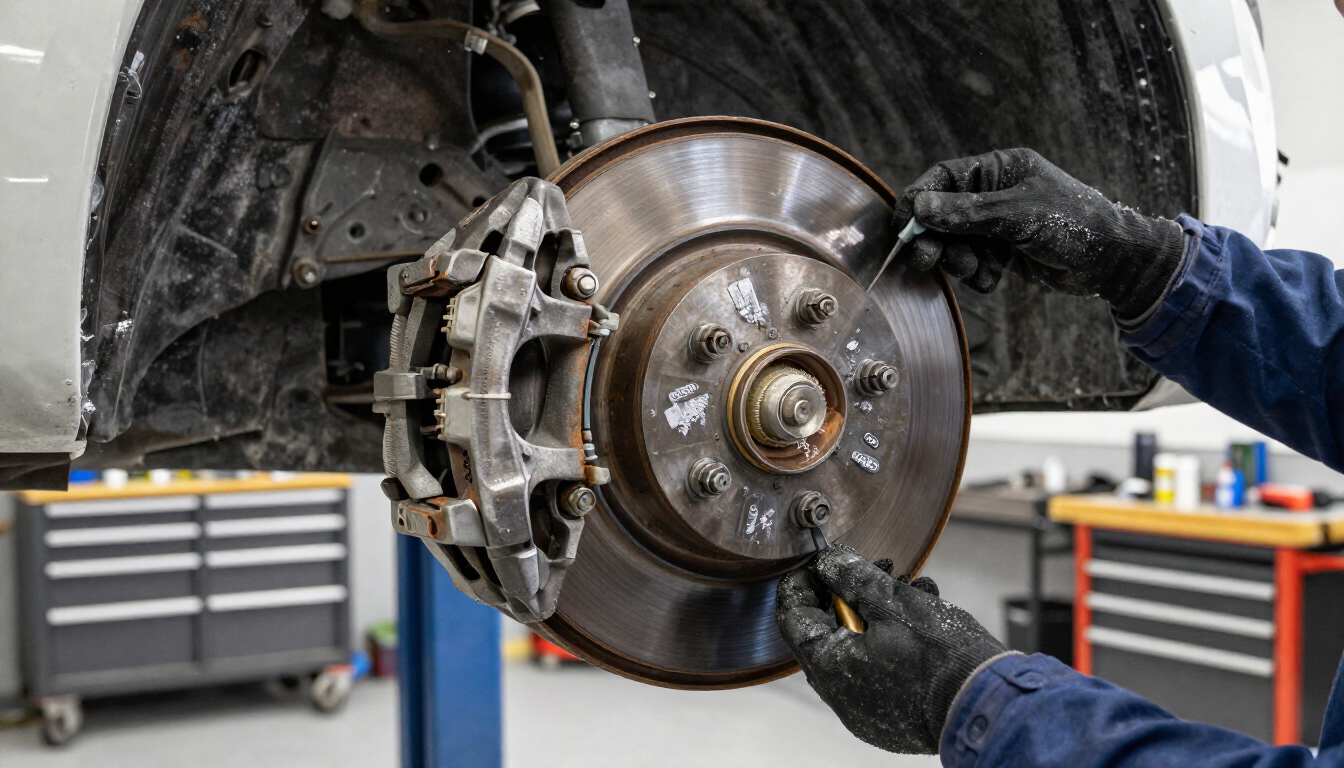
- Calipers: Rust may interfere with caliper movement, causing uneven braking or pad wear.
- Brake hardware: Clips, brackets, slides, and fasteners can seize or deteriorate.
- Rotors and pads: Surface rust and contamination can contribute to noise, vibration, or reduced braking performance.
Corrosion does not always produce an obvious symptom at first. A vehicle may appear to drive normally while a brake line, caliper, or mounting component is becoming unsafe. That is why regular inspections matter, especially before deep winter and after years of driving on salted roads.
What are the signs you need brake repair?
Brake symptoms should be treated as safety concerns, not inconveniences. If your vehicle behaves differently when stopping, arrange an inspection promptly.
1. A soft or sinking brake pedal
A pedal that feels spongy, unusually low, or softer than normal can indicate a hydraulic problem, air in the system, fluid loss, or a failing component. Corroded brake lines are one possible cause. Do not continue driving to see whether the pedal improves.
2. The vehicle pulls while braking
If the vehicle moves left or right when you apply the brakes, braking force may not be balanced between the wheels. A sticking caliper, restricted brake line, uneven pad wear, or another brake problem could be involved. Pulling can make an emergency stop harder to control.
3. Grinding, scraping, or persistent brake noise
Grinding may mean friction material is severely worn or metal is contacting another brake component. Scraping can also result from corrosion or hardware that is not moving correctly. Brake noise is not something to ignore or mask with louder music.
4. A brake warning light appears
A brake warning light can point to low brake fluid, a hydraulic issue, a parking-brake concern, or a system fault. The dashboard light does not identify the exact cause, so professional diagnosis is important. If the light comes on with a soft pedal or poor stopping, stop driving when safe and seek help.
5. Vibration, uneven stopping, or unusual smells
Shaking through the steering wheel or pedal, a vehicle that stops unevenly, or a hot chemical smell can all indicate a brake concern. These signs may involve rotors, calipers, pads, or other components affected by heat and corrosion.
How can a shop find hidden winter brake damage?
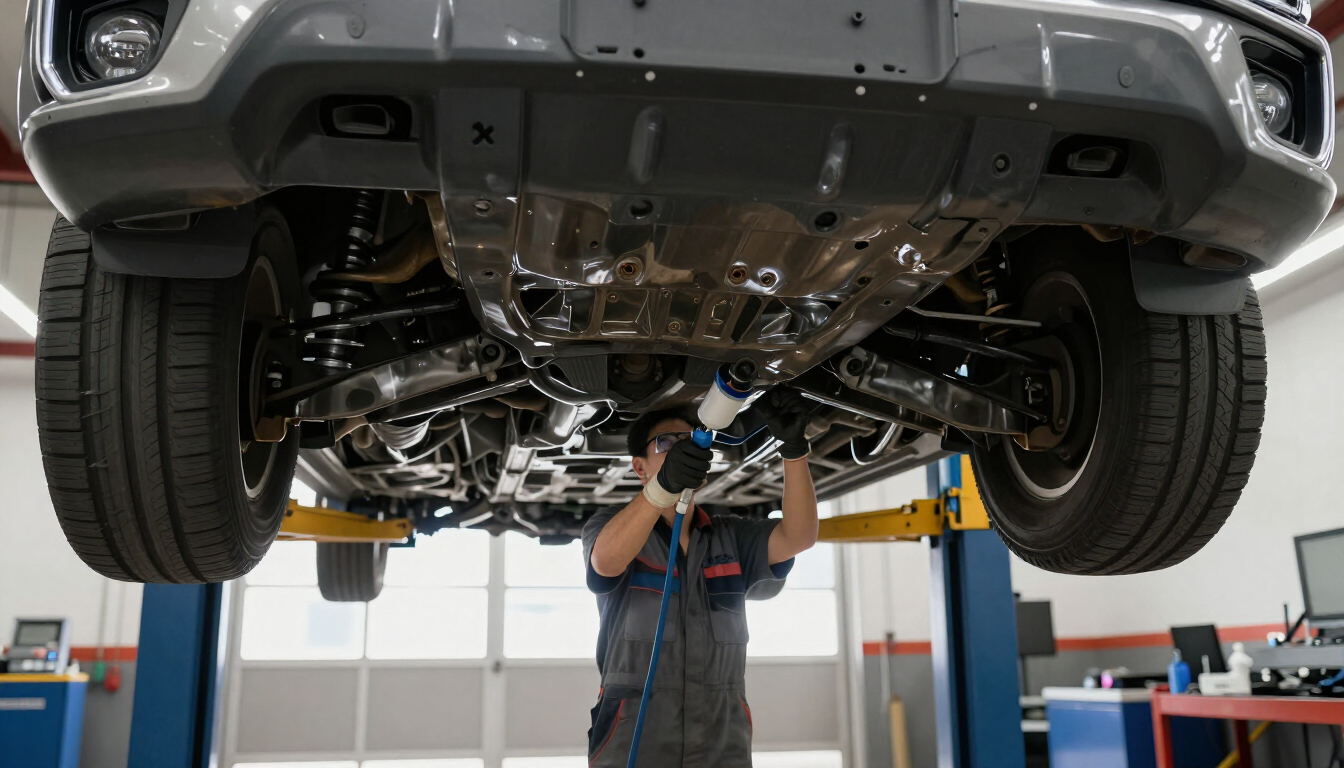
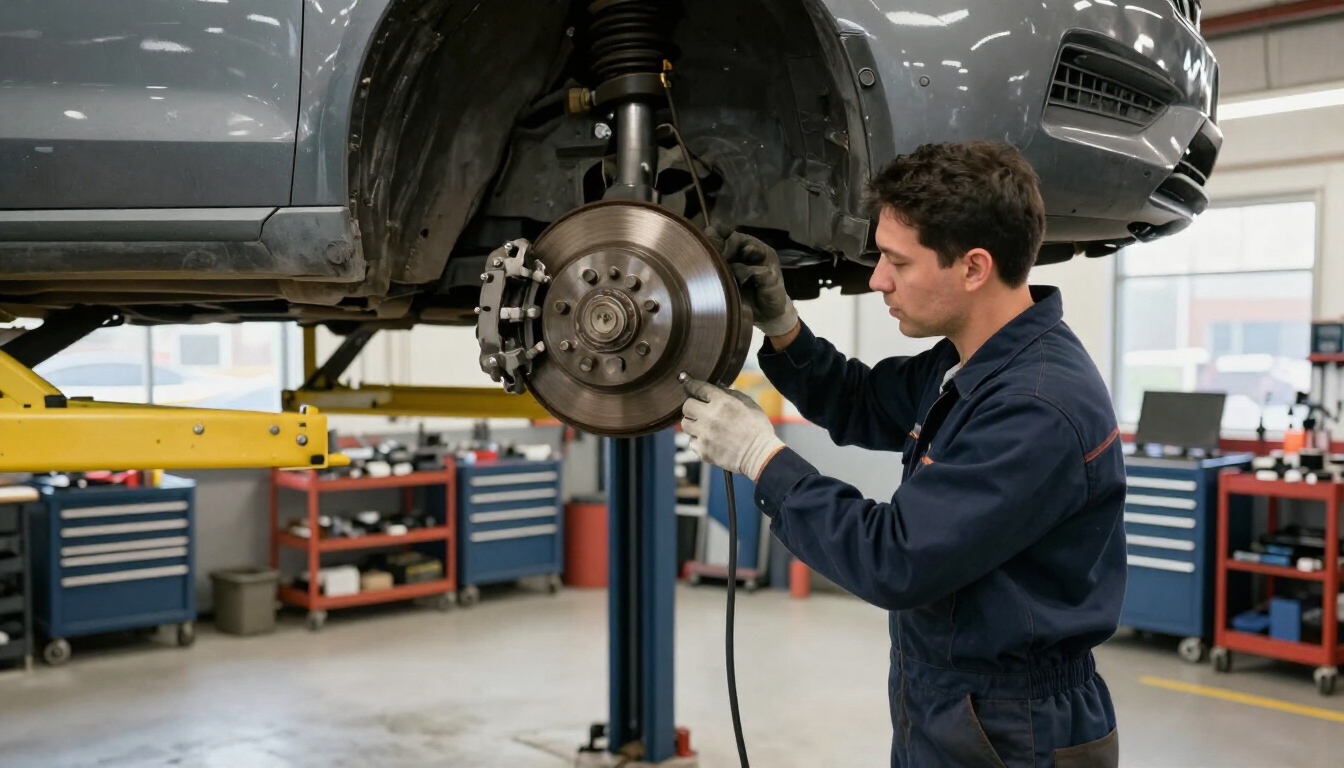
Brake inspection requires more than looking through the wheel spokes. A technician can evaluate the complete system and compare what is happening at each wheel. Depending on the symptoms, the inspection may include:
- Checking brake fluid level and condition
- Examining visible lines, hoses, fittings, calipers, rotors, pads, and hardware
- Looking for leaks, rust, seized slides, and uneven wear
- Testing pedal feel and braking behavior
- Confirming whether warning lights or other vehicle systems show related faults
A professional inspection also helps separate a brake issue from a problem involving tires, suspension, steering, or wheel bearings. Northeast Transmission provides brake repair as part of its general repair services, not only transmission work. If a broader warning light or drivability concern is present, diagnostics may help identify the source.
Why should brake work stay out of the driveway?
Brakes are a safety-critical hydraulic and mechanical system. A repair that looks simple can involve seized fasteners, damaged lines, contaminated friction surfaces, trapped air, or related components that are not safe to reuse. Working underneath a vehicle also introduces lifting and stability risks.
A driveway repair may miss corrosion in a less visible area or leave the system improperly assembled. Brake work should be performed by trained professionals with suitable lifting equipment, inspection tools, replacement parts, and procedures for verifying safe operation afterward.
This is especially important in Maine, where rust can affect both the part being replaced and the hardware surrounding it. A component that appears serviceable may fail during removal, or a nearby line may need attention at the same time.
When should you schedule a winter brake inspection?
Schedule an inspection before deep winter sets in, particularly if your vehicle has lived through several Maine winters, drives frequently on treated roads, or has a history of brake noise or uneven wear. You should also arrange prompt service whenever a warning sign appears.
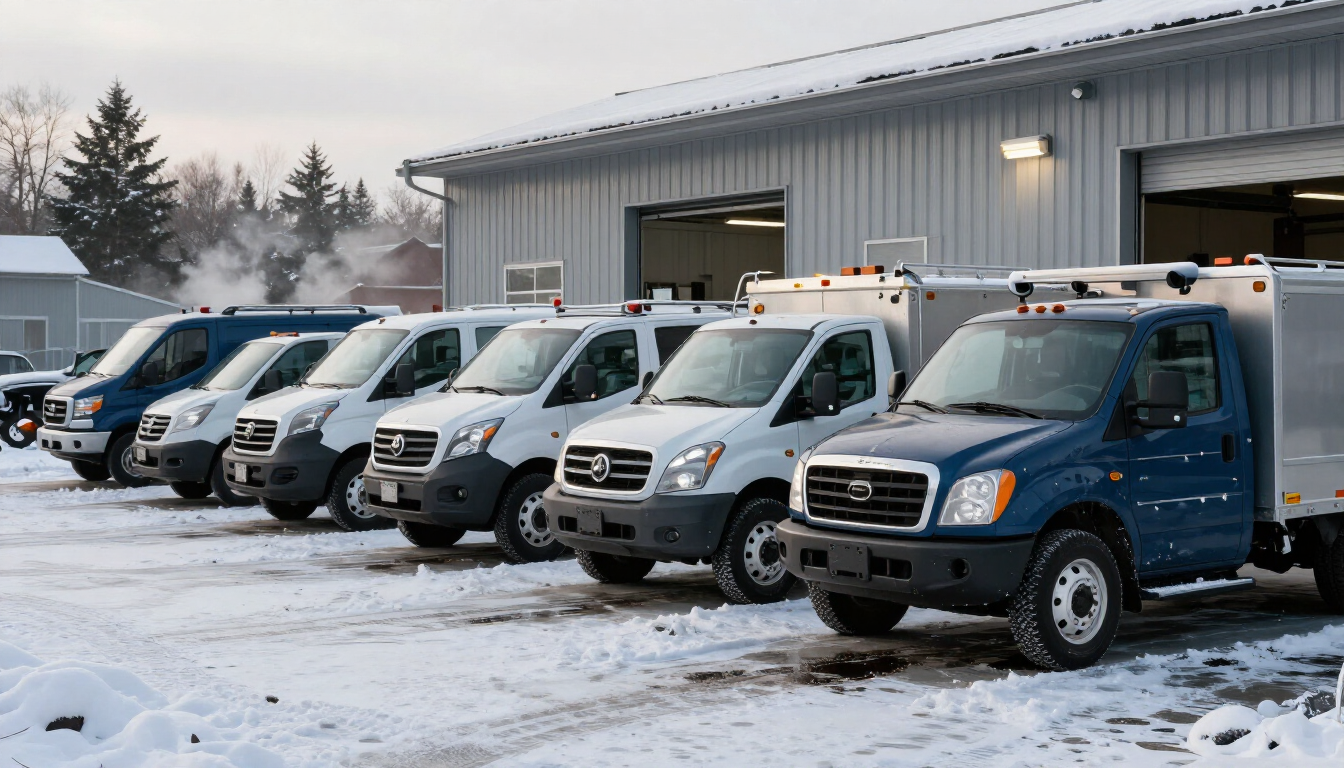
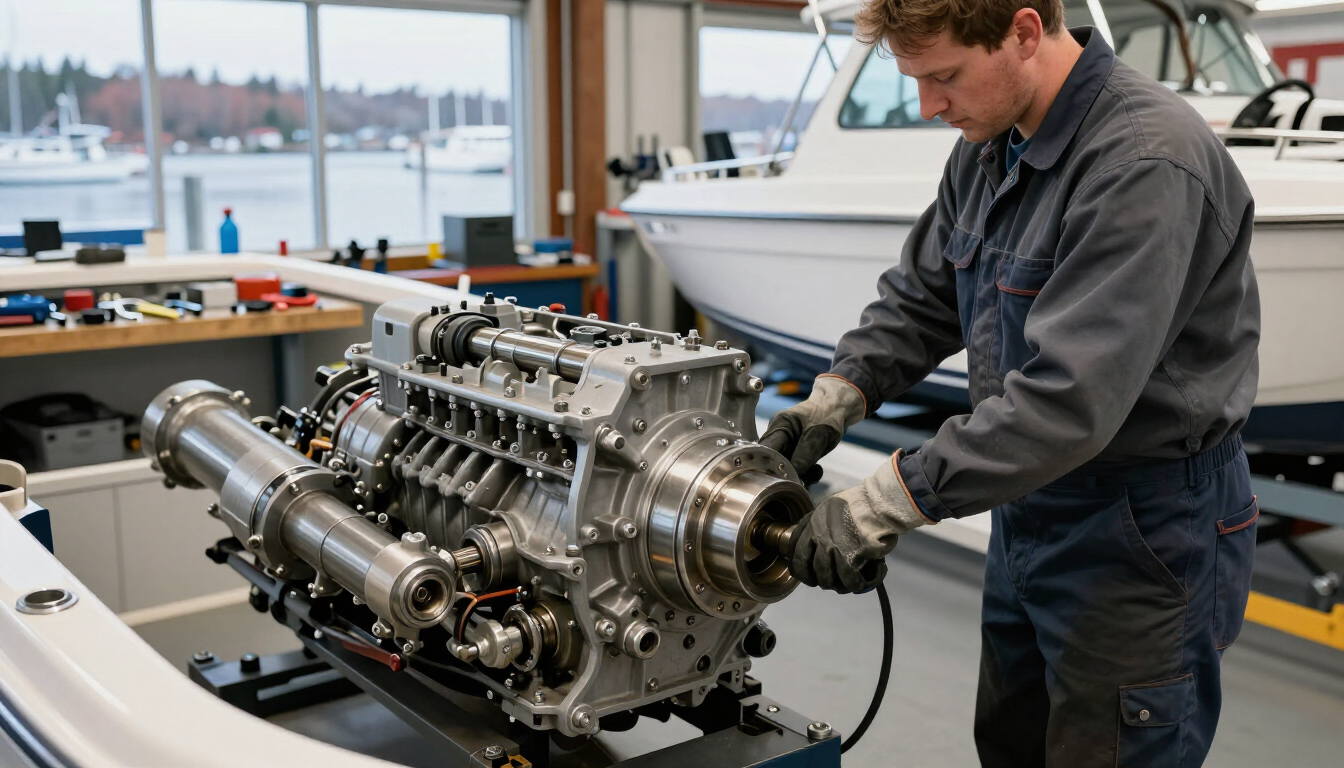
Northeast Transmission has served Biddeford and the surrounding area for more than 50 years. The family-owned shop handles general auto repairs along with transmission, fleet, and marine work. You can learn more through the services page or book an appointment for a brake inspection.
Do not wait for a symptom to become more severe. A soft pedal, pulling, grinding, warning light, vibration, or unusual smell deserves professional attention now.
Key takeaways for Maine drivers
- Road salt and moisture can corrode brake lines, calipers, rotors, and hardware.
- A soft pedal, pulling, grinding, or brake warning light can signal an unsafe condition.
- Brake problems should be inspected by a qualified shop, not handled as an unverified driveway repair.
- Winter brake inspections are especially valuable before deep winter and after repeated exposure to salted roads.
- Contact Northeast Transmission to book a brake inspection and keep your vehicle ready for Maine driving.