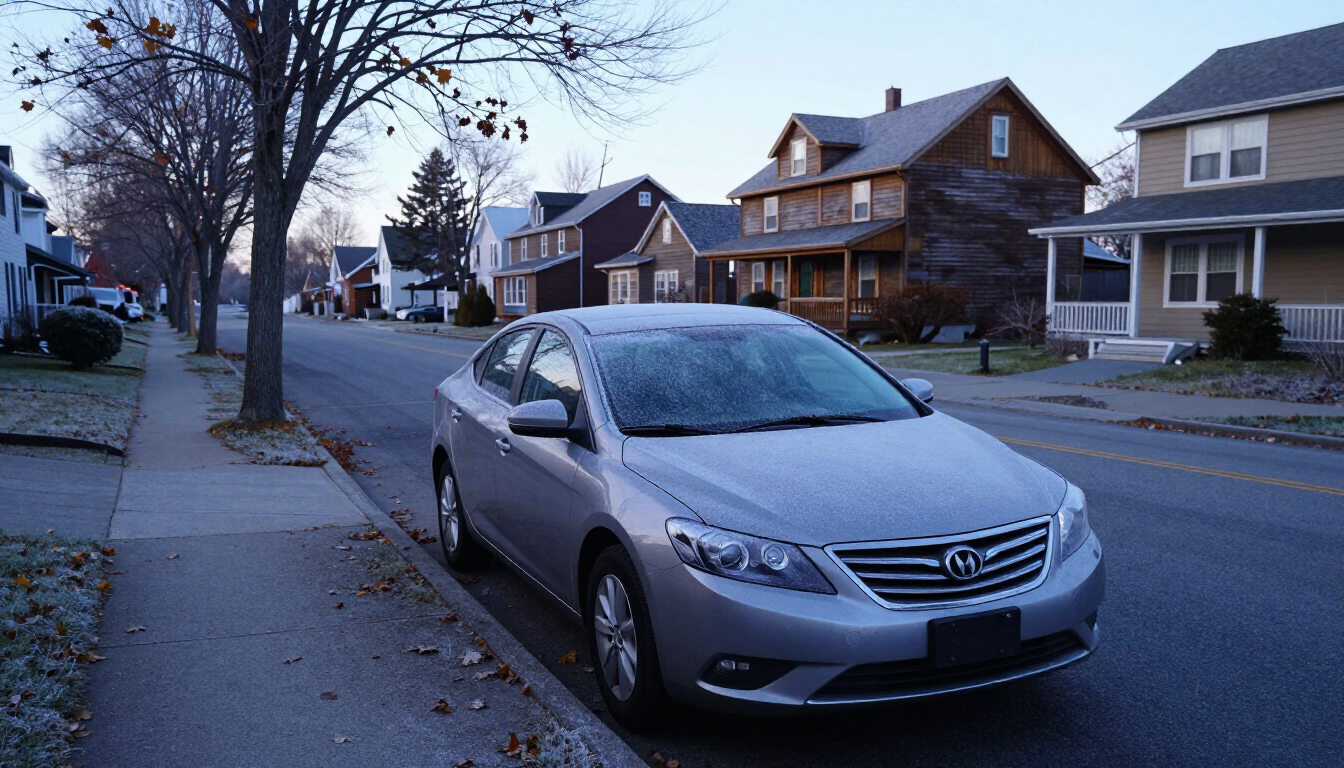
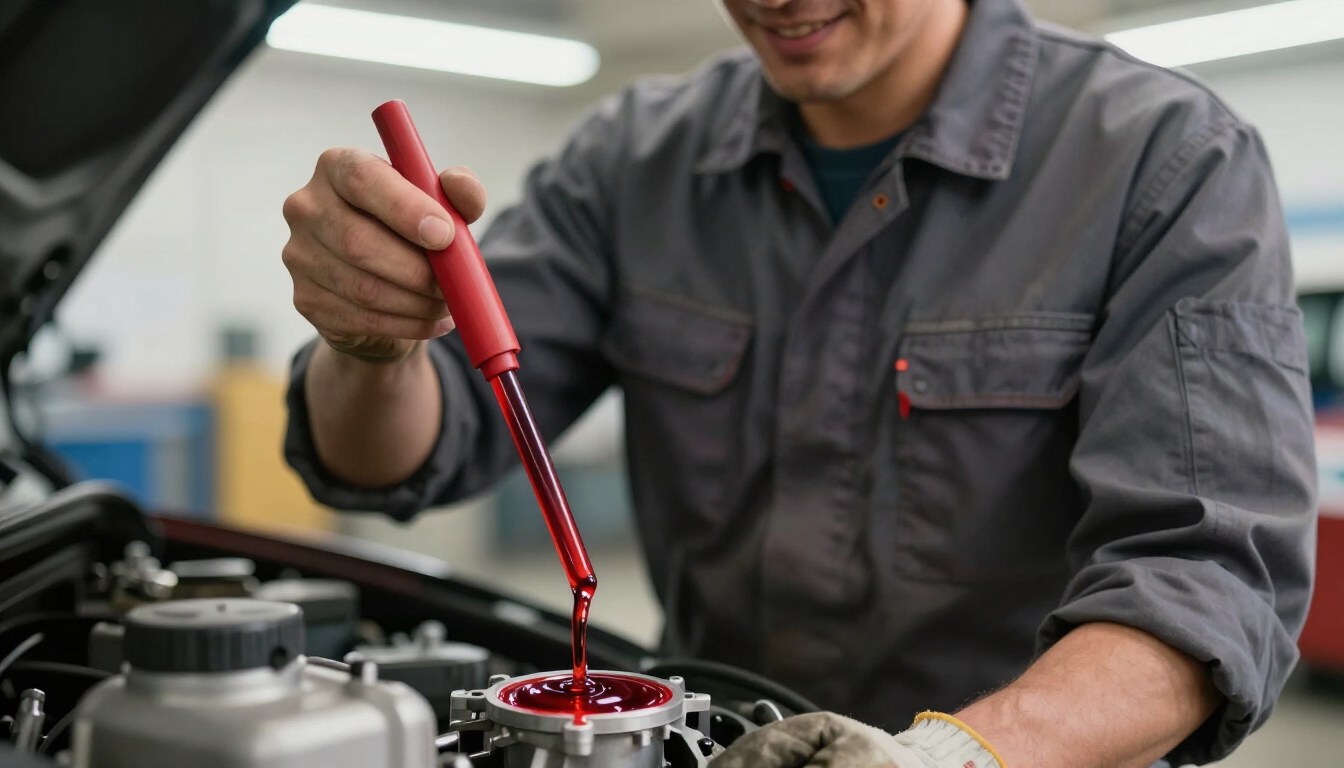

Learn why checking transmission fluid at every maintenance is vital and when it's time for a change to protect your vehicle's engine and lifespan.

Keep your fleet running this winter with Northeast Transmission’s fall walkthrough guide. Serving Biddeford, Portland, and Portsmouth since 1974.

Jasper Holdings, Inc., the parent company of Jasper Engines and Transmissions, Weller Truck, Diesel USA Group, D&W Diesel, Jasper Innovative Solutions, Jasper Electric Motors, and Jer-Den Plastics, is pleased to announce the acquisition of Jenkins Holdings, Inc. (“Jenkins” or “Jenkins Plumbing”). Jenkins is the leading
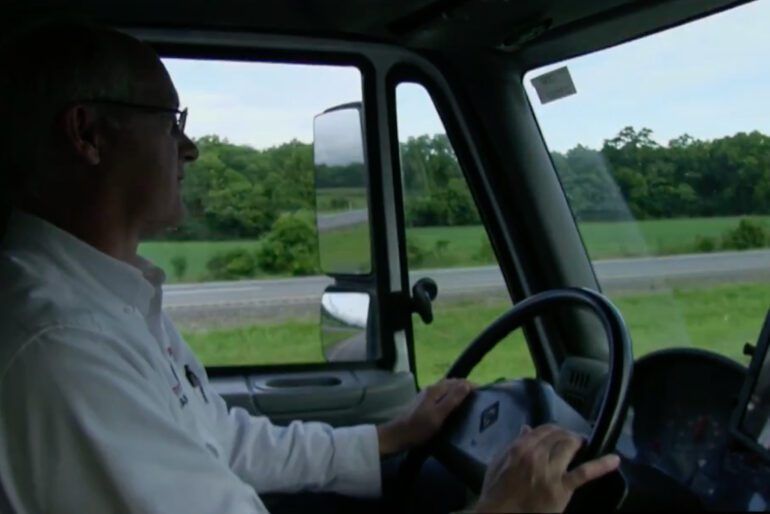
In many fleets, an invisible wall between drivers and technicians fosters tension because they don’t understand each other’s importance. Drivers want to get back on the road quickly; technicians want to fix things right the first time. When communication breaks down, minor issues get missed, and repairs are delayed, which can increase the chance of driver safety incidents. Bridging this gap is one of the fastest ways to improve uptime, safety, and morale.
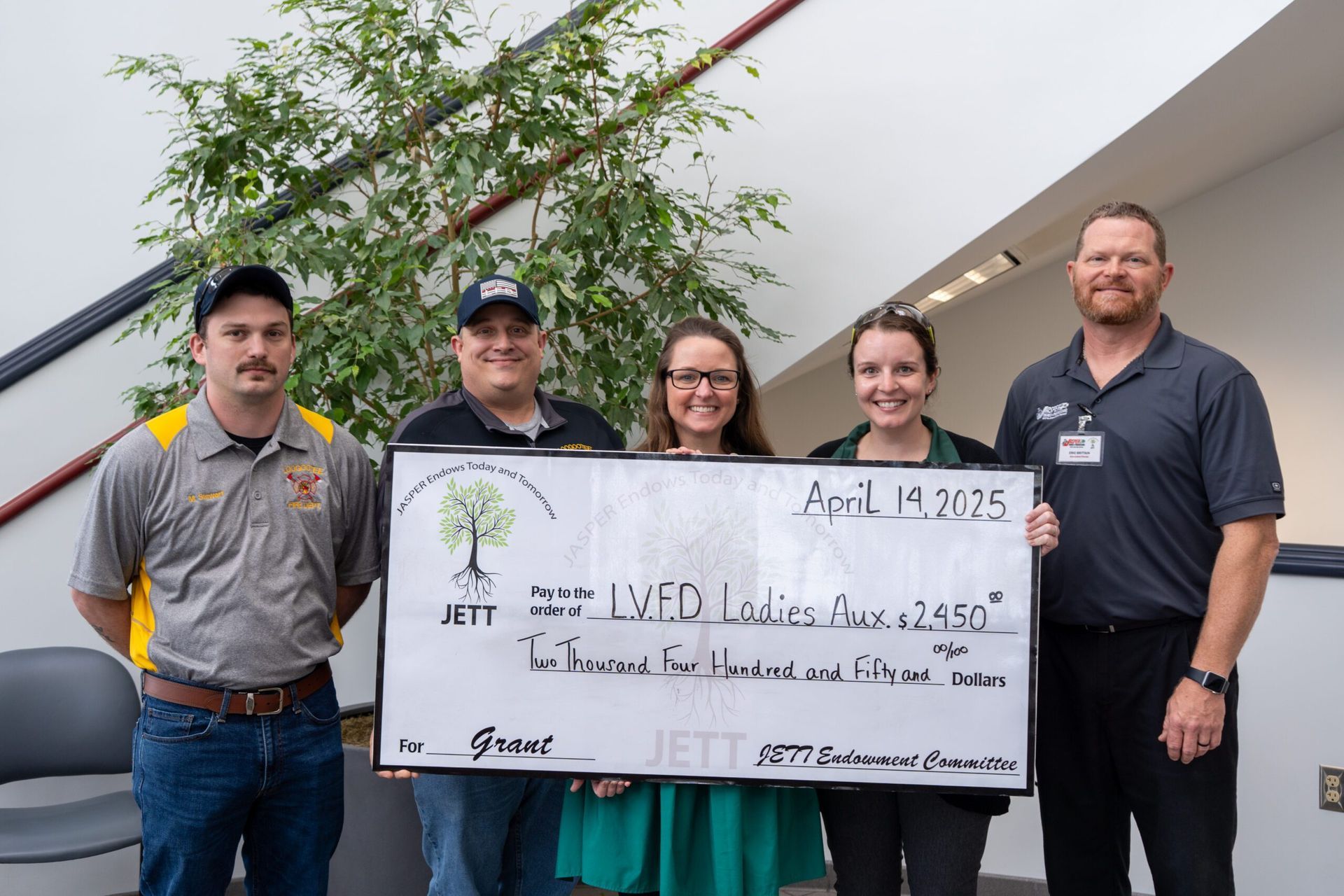
JASPER® Endows Today and Tomorrow (JETT) presented a grant to the Loogootee (Indiana) Volunteer Fire Department April 14th. Department representatives Michael Stewart and Fire Chief Eric Thomas (at left), were joined by JETT members Kelli Lampert, Sarah Blackgrave (center) and Eric Brittain (right), who is also a member of the fire department. This grant will be used to purchase a battery-operated fan that allows firefighters to perform their duties more safely and efficiently during fire incidents. The fan helps with proper ventilation to disperse smoke, toxins, and heat, which can significantly impact firefighter visibility and respiratory health. JETT is a giving circle for Associate-Owners of Jasper Holdings, Inc. and their families. They focus on pooling resources and creating a more significant combined impact on our communities. JETT aims to learn more about philanthropic opportunities and support those organizations that promote intelligent giving.
The post Fire Department Receives JETT Grant appeared first on JASPER® Engines & Transmissions.
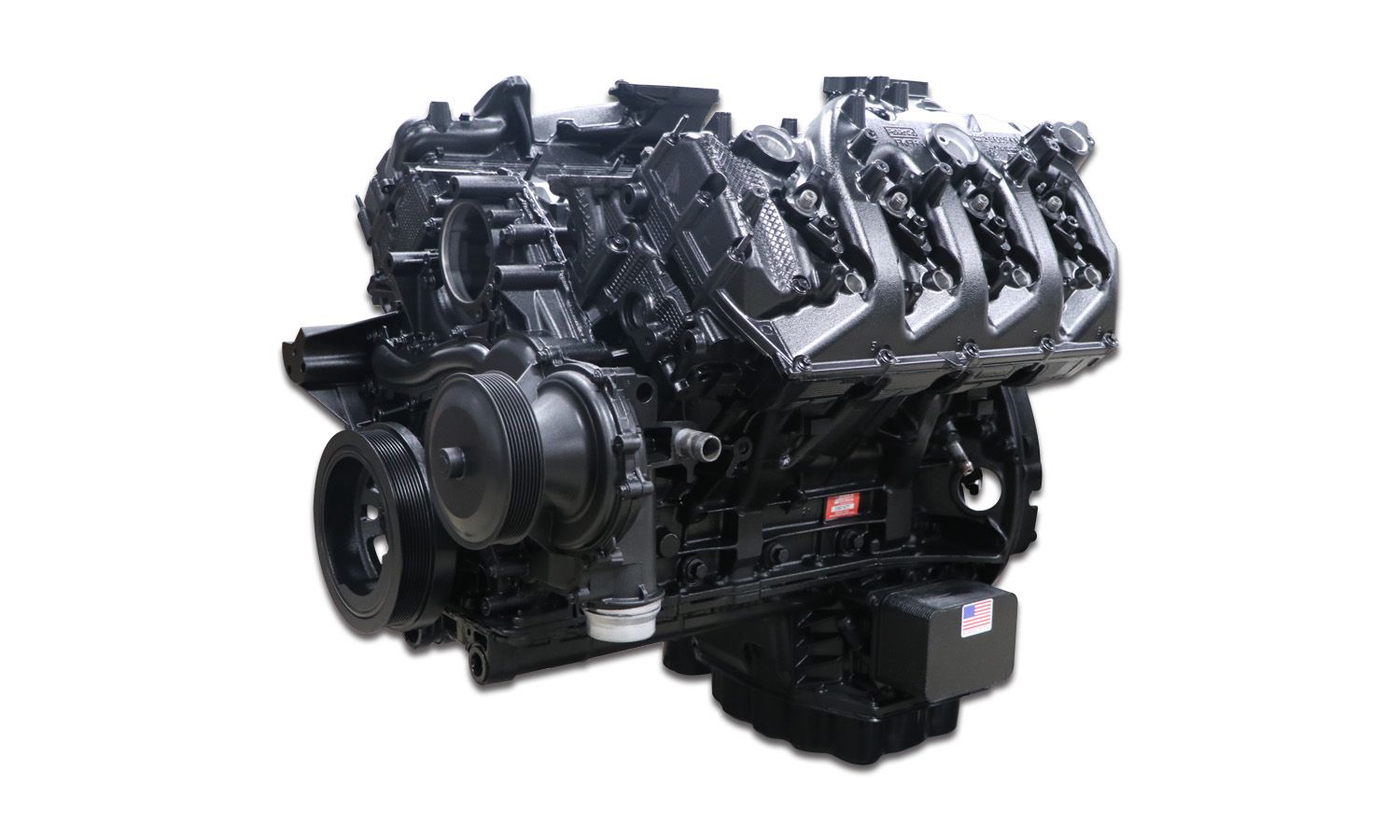
Jasper Engines & Transmissions is excited to announce the availability of the remanufactured Ford 6.7L Powerstroke/Scorpion Special Complete diesel engine for 2017 to 2019 Ford F250/F350 Super Duty truck applications. Built for the ease of installation, JASPER’s newest engine platform includes the following installed components over our standard Complete Format engine: Valve Covers OEM Bosch Injectors Cam Position Sensor Crank Position Sensor Vibration Damper The remanufactured Ford 6.7L Powerstroke/Scorpion Special Complete engine is spin-tested, ensuring proper compression, timing, sensor operation, and oil pressure. A blacklight inspection with dye-infused oil and coolant is conducted to ensure the engine is free of leaks. To complete the engine installation, and provide peace of mind, JASPER offers the turbo and CP4 pump as an optional purchase. Click here to view a video about the Ford 6.7L Powerstroke/Scorpion Special Complete engine https://youtu.be/eUCe6177X_g. The standard warranty is two years parts and labor for the remanufactured Ford 6.7L Powerstroke/Scorpion Special Complete engine. Warranty details are available at www.jasperengines.com, or upon request. For more information on the complete line of JASPER remanufactured powertrain products, please call 800.827.7455 or visit www.jasperengines.com.
The post JASPER® Offers Remanufactured Ford 6.7L Powerstroke/Scorpion Special Complete Engine appeared first on JASPER® Engines & Transmissions.
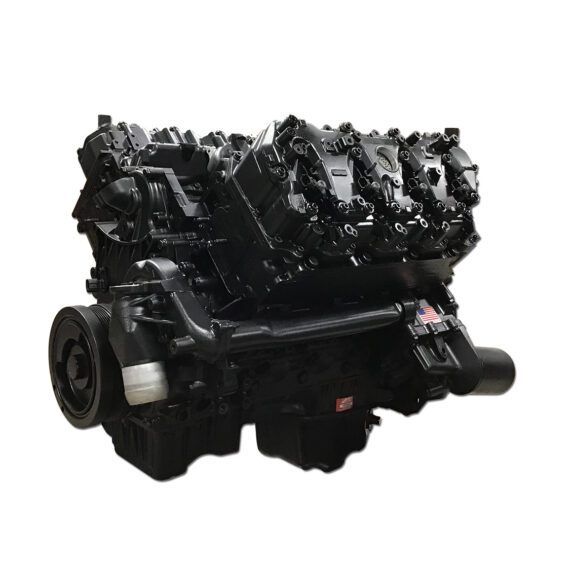
Jasper Engines & Transmissions is excited to announce the availability of the remanufactured GM 6.6L Duramax LML Special Complete diesel engine for 2011 to 2016 Chevrolet Silverado and GMC Sierra 2500HD and 3500HD trucks. Built for the ease of installation, JASPER’s newest engine platform includes the following installed components over our standard Complete Format engine: Lower Intakes Lower Valve Covers Upper Valve Covers OEM Bosch Injectors Cam Position Sensor Crank Position Sensor Spacer Crank Position Sensor The remanufactured Duramax LML Special Complete engine is spin-tested, ensuring proper compression, timing, sensor operation, and oil pressure. A blacklight inspection with dye-infused oil and coolant is conducted to ensure the engine is free of leaks. To complete the engine installation, and provide peace of mind, JASPER offers the turbo and CP4 pump as an optional purchase. Click here to view a video about the GM 6.6L Duramax LML Special Complete engine https://youtu.be/TlzXDtA46F8. The standard warranty for the remanufactured Duramax LML Special Complete engine is two years parts and labor. Warranty details are available at www.jasperengines.com, or upon request. For more information on the complete line of JASPER remanufactured powertrain products, please call 800.827.7455 or visit www.jasperengines.com
The post JASPER® Offers Remanufactured GM 6.6L Duramax LML Special Complete Engine appeared first on JASPER® Engines & Transmissions.
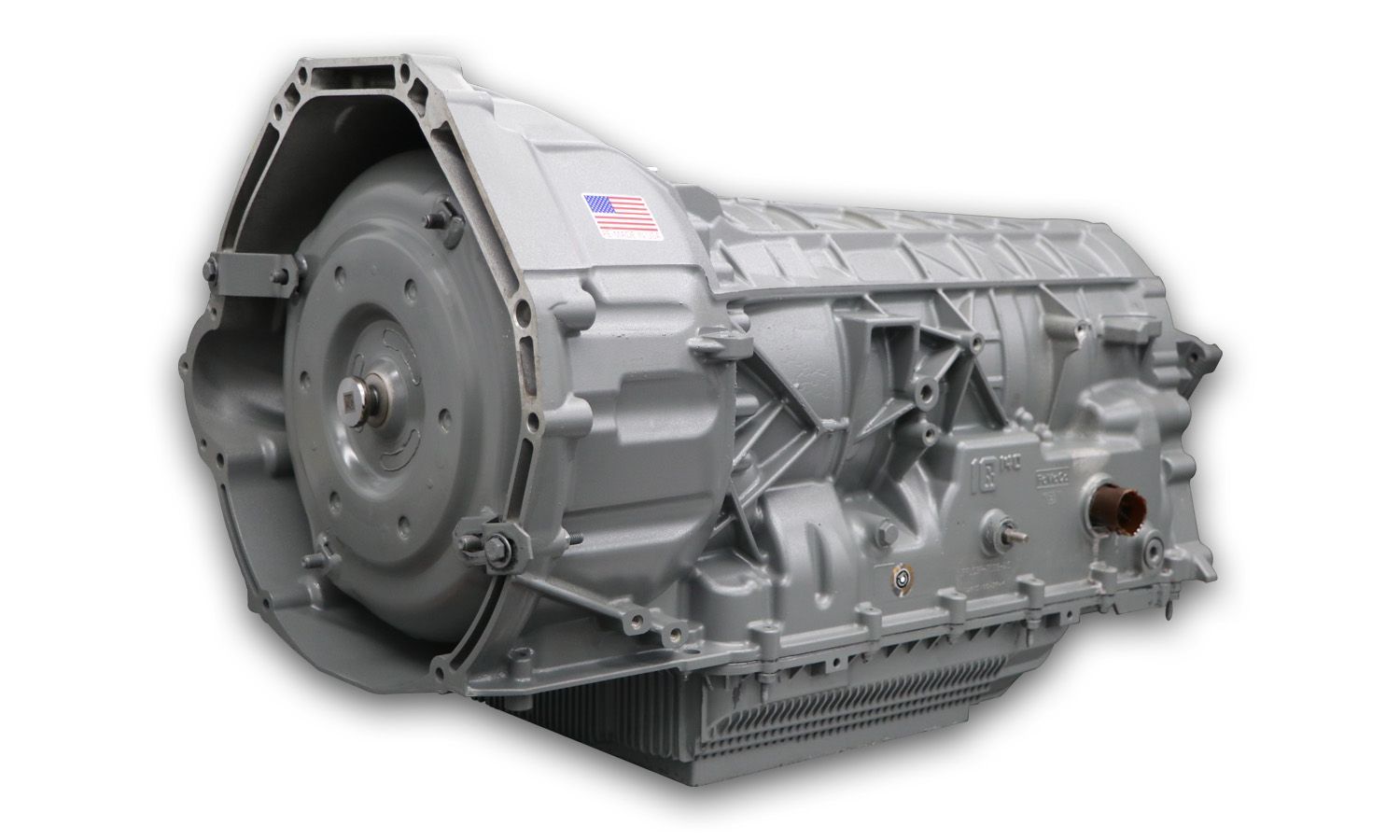
Jasper Engines & Transmissions, the nation’s leader in remanufactured products, announces the availability of its remanufactured Ford 10R140 transmission. These electronically-controlled 10-speed transmissions are available on exchange for the following late-model Ford applications: 2020-2022 F250-F550 6.2L/7.3L 2WD W/PTO 2020-2022 F250-F550 6.2L/7.3L 4WD W/PTO 2020-2022 F250-F550 6.2L/7.3L 2WD W/O PTO 2020-2022 F250-F550 6.2L/7.3L 4WD W/O PTO 2020-2022 F250-F550 6.7L 2WD W/PTO 2020-2022 F250-F550 6.7L 4WD W/PTO 2020-2022 F250-F550 6.7L 2WD W/O PTO 2020-2022 F250-F550 6.7L 4WD W/O PTO, Towing Package 1 2020-2022 F250-F550 6.7L 4WD W/O PTO, Towing Package 2 “In addition, JASPER® offers rental of a remote programming device to enter the solenoid strategy and ID into the TCM for proper operation,” said JASPER New Product Development Group Leader Brad Boeglin. The Ford 10R140 is covered by JASPER’s nationwide transferable parts and labor warranty. Full warranty disclosure is available on our website or upon request. For more information on the complete line of remanufactured products from Jasper Engines & Transmissions, please call 800.827.7455, or visit www.jasperengines.com.
The post JASPER® Offers Late-Model 10R140 Transmission Availability appeared first on JASPER® Engines & Transmissions.
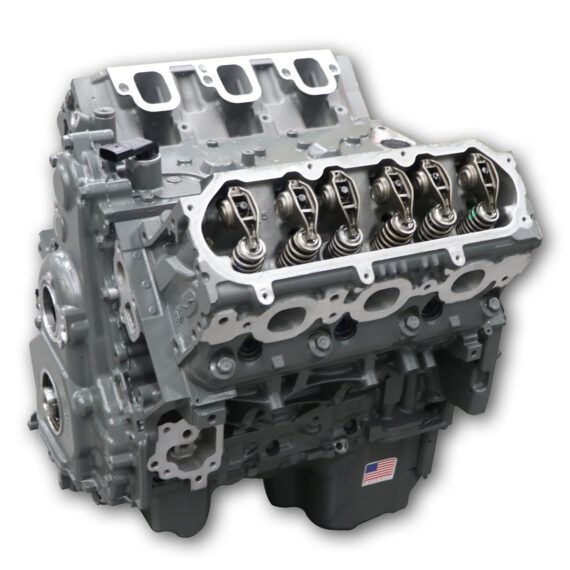
Jasper Engines & Transmissions, the nation’s leader in remanufactured powertrain products, is excited to announce the availability of the GM 4.3L Gen V engine for the following applications. 2014-2018 Chevrolet Silverado 1500 2014-2018 GMC Sierra 1500 2014-2018 Chevrolet Silverado 1500 (AFM-Delete) 2014-2018 GMC Sierra 1500 (AFM-Delete) “Just like other versions of the GM Gen V engine, we are releasing this engine with an AFM-Delete option,” said JASPER New Product Development Group Leader Brad Boeglin. “The AFM-Delete version of the 4.3L is 50-state compliant with CARB EO and includes a tuning device that uses a smartphone-based app for ECM calibration.” The GM 4.3L Gen V engine is covered by a nationwide, transferable parts and labor warranty of up to 3 years or 100,000 miles. Full warranty disclosure is available on our website or upon request. For more information on the complete line of JASPER remanufactured engines, please call 800.827.7455 or visit www.jasperengines.com.
The post JASPER® Offers Remanufactured GM 4.3L Gen V Engines appeared first on JASPER® Engines & Transmissions.
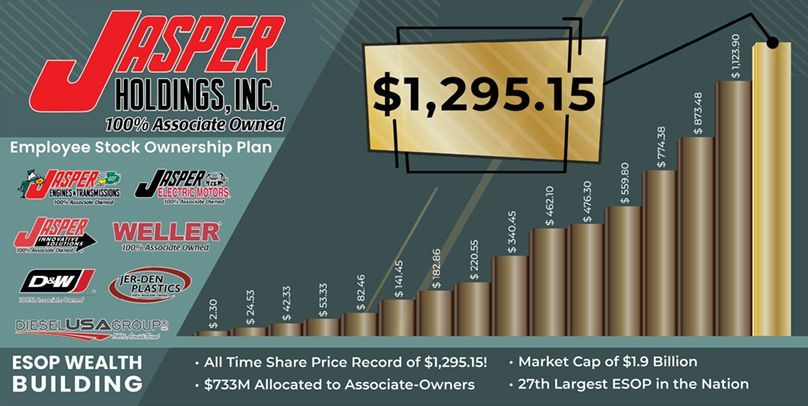
On April 29th, Associate-Owner Shareholders of Jasper Holdings, Inc. (JHI) Employee Stock Ownership Plan (ESOP) received some outstanding news. JHI Chairman/CEO Doug Bawel announced, “A new all-time record price of $1,295.15 per share based on their performance and market conditions, up $171.25 per share.